
Insights
Intermodal Container Logistics Basics for Port Moves
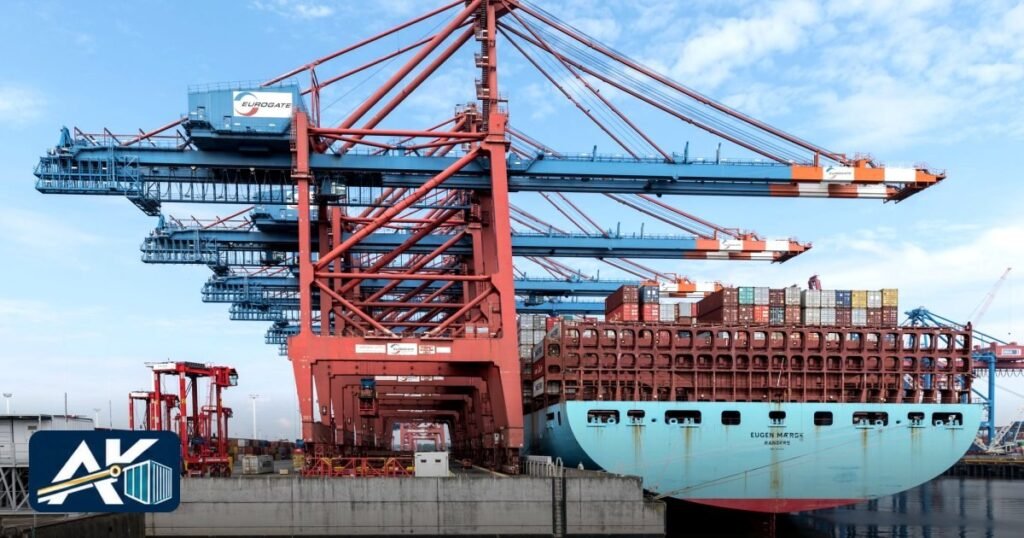
Moving a shipping container from one port to another is rarely a single journey. The box usually changes hands between a vessel, a terminal, a truck or train, and sometimes a depot, and each handover brings its own paperwork and risks. This guide explains the intermodal container logistics basics every importer, exporter and forwarder should understand before booking a move.
Intermodal logistics means one container moving through several hands
The word intermodal simply describes a single container travelling by more than one mode of transport under a coordinated plan. A container may be loaded at a factory, trucked to a port, lifted onto a vessel, discharged at another port, then carried inland by rail or road to its final destination. The cargo stays sealed inside throughout; only the box is handled.
This works because containers follow ISO standards for dimensions and strength. The same twenty-foot or forty-foot unit fits ship cell guides, rail wagons and road chassis. Corner castings let cranes and lashing systems grip the box in the same way everywhere in the world.
For a buyer or operator, the practical result is that you are not booking one service but a chain of them. Understanding where the chain links together is the best way to avoid surprises. Our overview of container logistics and transport options shows how these services fit together for different routes.
Each transport mode plays a different role in the chain
Ocean shipping covers the long distance between ports and is the backbone of any international container move. It is economical for volume but follows vessel schedules and port rotations, so flexibility is limited.
Rail is often used for inland legs where a good terminal network exists. It suits heavy, regular flows between a port and an inland hub, but it depends on terminal access at both ends and on a truck for the final stretch.
Road haulage handles the first and last mile. Trucks and chassis reach factories, yards and building sites that ships and trains cannot. They are the most flexible mode but are limited by road weight rules, driver availability and access conditions at the delivery site.
Barges and feeder vessels sometimes connect smaller ports or river terminals to deep-sea hubs. They are useful where roads are congested, though they add another handover to manage.
The main modes compare differently on flexibility and reach
No mode is best in every situation. The table below gives a qualitative comparison to help you decide which combination suits your cargo and timeline.
| Mode | Typical role | Main strength | Main limitation |
|---|---|---|---|
| Ocean vessel | Port-to-port long haul | Carries large volumes across borders | Fixed schedules and port congestion |
| Rail | Port to inland terminal | Efficient for heavy, repeat flows | Needs terminal access at both ends |
| Road | First and last mile | Door-to-door reach | Weight limits and driver availability |
| Barge or feeder | Regional connection | Avoids congested roads | Extra handover and limited routes |
Treat the table as a starting point. Actual availability, transit times and charges depend on the route and the carriers involved, so always confirm them with a current quote rather than assuming.
Documents must match at every handover
Paperwork travels with the container as closely as the steel does. The bill of lading is the central transport document: it acts as a receipt for the cargo, evidence of the contract of carriage and, in many cases, a document of title. Details on it must match the commercial invoice, packing list and any customs declarations.
The Incoterm you agree with your counterparty decides who arranges and pays for each stage, and where risk passes. Two parties using different assumptions about the same term is one of the most common causes of disputes, so write down exactly where responsibility changes hands.
The container itself also has paperwork in effect: the CSC safety approval plate on the door confirms it has been approved for international transport, and its identification code must be correct on every document. Terminals and carriers may reject a unit whose plate or condition is not acceptable, so check the container’s condition first before it enters the chain.
Delays and extra charges usually come from handover points
Most problems occur where one party passes the box to another. A truck arrives but the terminal appointment is missed. A customs hold stops release at the port. A vessel is discharged but the inland rail slot is not yet confirmed. Each of these can leave the container sitting idle.
Idle time is costly in two ways. Terminals typically allow a limited free period for storage, after which storage charges apply. Shipping lines likewise allow a free period for equipment use, after which detention or demurrage-style charges can build up. Check the free time terms in your contract and track them from the moment of discharge.
Weight and loading errors are another frequent source of trouble. An overloaded or badly distributed container may be refused by a rail operator or road carrier, or require repacking at the terminal. Make sure the cargo is secured and within the limits of every piece of equipment on the route.
Finally, seasonal peaks, strikes and weather can disrupt schedules. You cannot control these, but you can build buffer time into your plan and keep contact details for each party in the chain.
A simple planning routine keeps the move under control
Whether you are shipping a purchased unit, repositioning leased equipment or delivering a container for conversion, the same preparation applies. Work through the following checklist before you confirm bookings.
- Confirm the container type, size and condition grade suit the cargo and the equipment on each leg.
- Check the CSC plate, door seals and structural condition before loading.
- Agree the Incoterm and write down where cost and risk transfer.
- Match the bill of lading, invoice and packing list for names, descriptions and quantities.
- Book terminal appointments, trucks or rail slots in the right order, with time to spare.
- Note free time periods for storage and equipment, and set reminders before they end.
- Confirm who handles customs clearance and who pays any charges at the destination.
- Keep a named contact at each carrier, terminal and depot.
If the container is going to a site for storage, retail or office use, also confirm access for the delivery truck, ground conditions and any lifting equipment needed. Delivery at a tight or soft site is a common last-mile problem that is easy to prevent with a short site check.
Verdict: plan the whole chain, not just the sea leg
Intermodal moves succeed when the whole route is planned as one process. The ocean leg gets most of the attention, but the handovers, documents and inland connections are where schedules and budgets are won or lost.
Start from the destination and work backwards: how will the container leave the port, who will receive it, and what must be ready on arrival? Then confirm the condition of the box, the paperwork and the free time terms before you commit.
If you are planning a move and want a second opinion on the route or the services needed, talk to our team about your route. We can discuss your container type, origin and destination and explain what a sensible plan looks like.
Frequently Asked Questions
What does intermodal mean in container shipping?
Intermodal means one container travels by more than one mode of transport, such as ship, rail and truck, without its contents being unpacked between legs. The box itself is the unit that moves, which is why standard dimensions and corner castings matter so much.
Who is responsible for the container during each leg?
Responsibility depends on your contract and the Incoterm agreed with the other party, plus the terms of each carrier. Always confirm in writing where risk and cost transfer, especially at the port gate and the inland depot.
Can any container be moved by rail or truck?
A container needs to be structurally sound, carry a valid CSC plate and be loaded within the limits of the equipment carrying it. Damaged or overweight units may be refused at terminals or by carriers.
Why do containers sometimes wait at a port?
Common reasons include missing or inconsistent paperwork, customs holds, terminal congestion and no available truck or rail slot. Good document preparation and early booking reduce, but never remove, this risk.
How do I get help planning a container move?
Share the container type, origin, destination and timing needs with a logistics partner and ask for a written scope of what is included at each stage. AK Container Logistics can discuss your route and requirements on request.
← All container insights