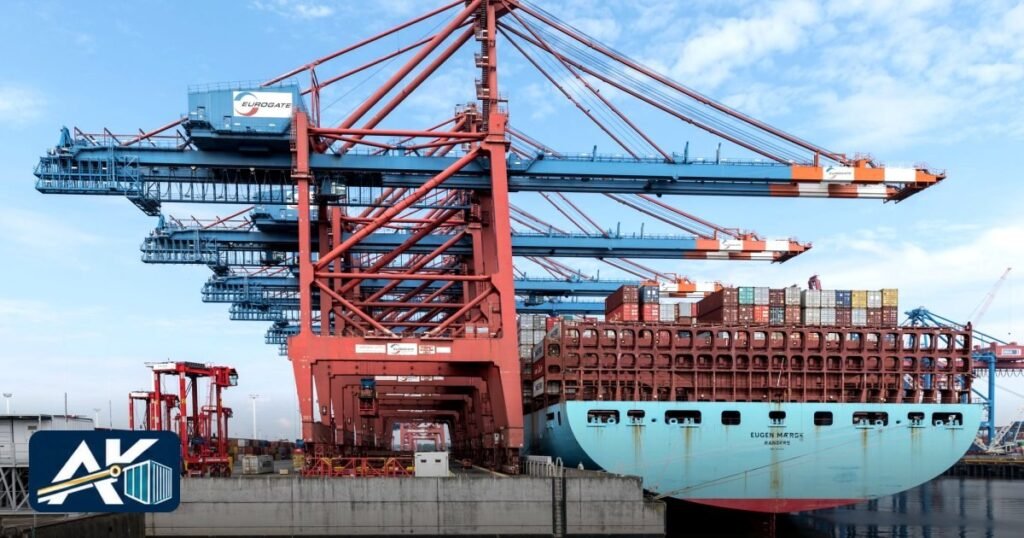
Intermodal Container Logistics Basics for Port Moves
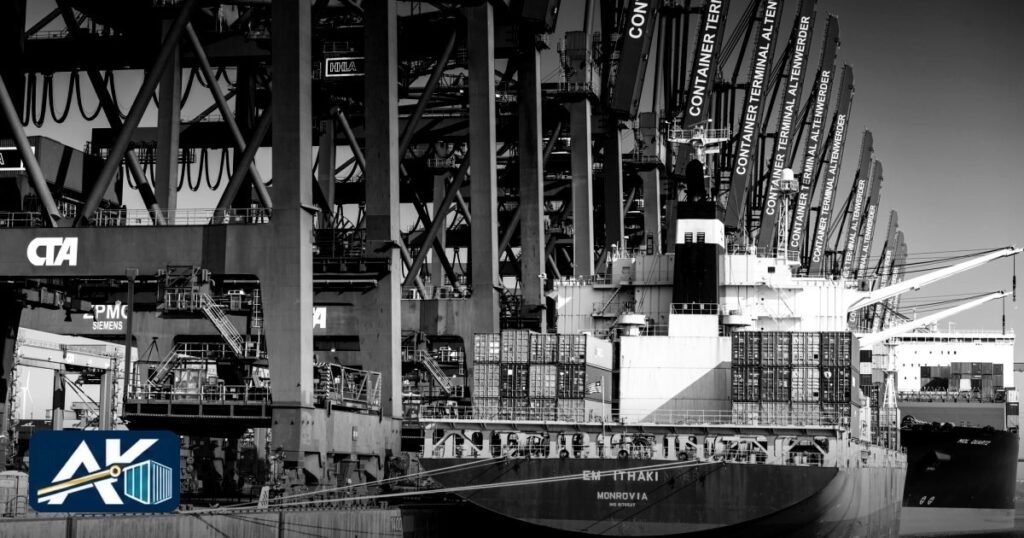
Moving a shipping container from one port to another is rarely a single journey. The box usually changes hands between a vessel, a terminal, a truck or train, and sometimes…
Read moreMoving a shipping container from one port to another is rarely a single journey. The box usually changes hands between a vessel, a terminal, a truck or train, and sometimes…
Read moreBuying a shipping container across borders involves more paperwork than most first-time buyers expect. The container is a physical asset, but the sale, the shipment and the import clearance all…
Read moreWhen you ask a supplier whether a container is available, the honest answer is usually “it depends on the details”. Stock moves between depots, ports and customers all the time,…
Read moreArranging a door‑to‑door delivery of a 40‑ft container from a Chinese supplier to Dubai involves several coordinated steps. Understanding the logistics chain, selecting the appropriate container, preparing the paperwork and…
Read moreWhen businesses in the United Arab Emirates consider expanding their logistics capabilities, the decision to purchase a container—new or used—has a direct impact on operational efficiency and long‑term cost management.…
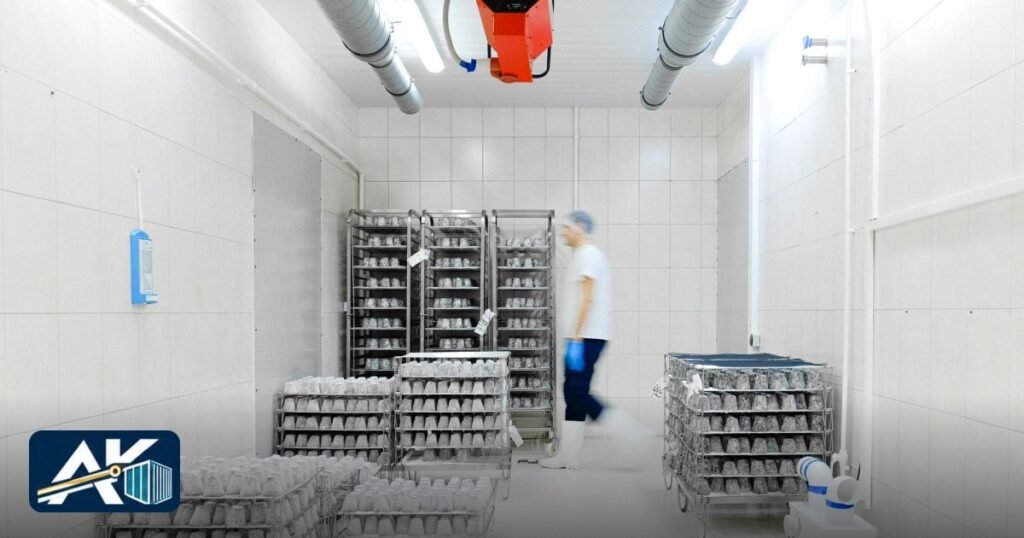
Read moreNot every cargo can travel in a plain steel box. Food, medicines, flowers and some chemicals lose value quickly when heat or cold moves outside a safe range. Temperature controlled…
Read moreLeasing a container looks simple: you pay for use and hand the unit back at the end. Insurance is where the detail sits. Who covers the box, who covers what…
Read moreBuying a shipping container is rarely a single payment. The price on the quote is only the starting point, and the real cost is what you have paid once the…
Read moreShort‑term container rental for storage offers a flexible, secure solution for businesses that need extra space without the commitment of a permanent lease. By treating a container as a mobile…
Read moreReturning a leased container in optimal condition is a critical step in maintaining a smooth business relationship and protecting your financial interests. A systematic approach ensures that all parties agree…
Read morePurchasing a shipping container can be a straightforward process when you follow a clear, methodical approach. By understanding your needs, selecting the appropriate type, sourcing reputable suppliers, and inspecting the…
Read moreRent‑to‑own shipping containers provide businesses with a flexible route to acquire the storage or transport assets they need without the upfront capital outlay of a full purchase. By spreading the…
Read moreYOUR OPTIONS
PLAN WITH CONFIDENCE
Put quotations on the same basis: size, type, condition, quantity, location and timing. Identify what is included in equipment pricing and what is separate, such as depot handling, transport, lifting or applicable taxes. Confirm the quotation’s validity and availability before placing an order.
For leasing, compare the minimum period, return conditions and transport responsibilities as well as the periodic rate. For conversions, compare a written specification and drawings so differing finishes or services do not hide a difference in scope.
BEFORE YOU ENQUIRE
No. Extra height can be useful for volume, but the intended load, site constraints, transport access and actual equipment specifications determine suitability.
Ask about doors, seals, roof, walls, flooring, corner posts, previous repairs and any odour or contamination concerns. Confirm suitability for the intended use.
TALK TO THE TEAM
Share the essentials and any questions you would like us to review.
info@akcontainers.com