
Insights
What are the legal requirements for importing shipping containers into the UAE?
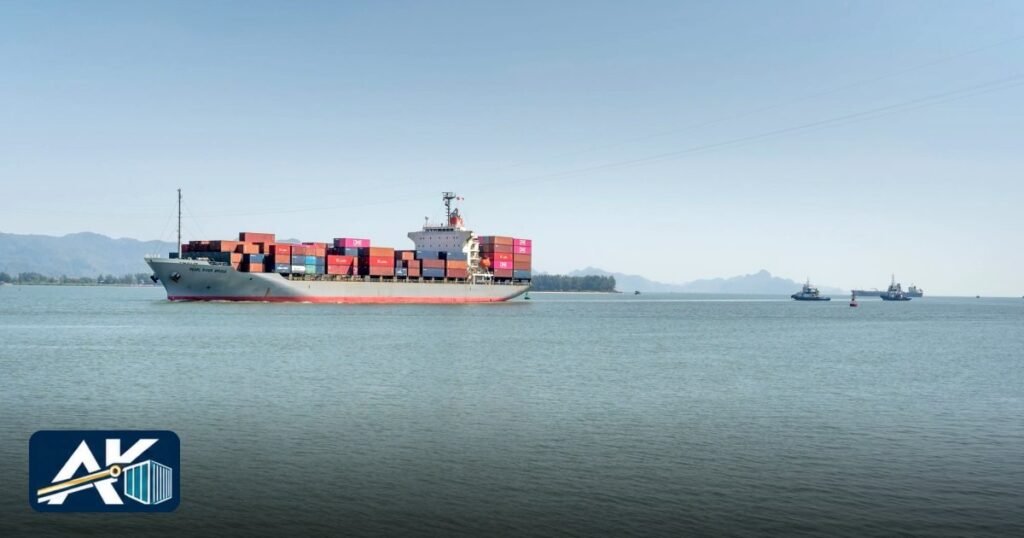
Importing shipping containers into the United Arab Emirates involves a clear set of regulatory steps designed to protect trade integrity, safety, and compliance with regional standards. Understanding these requirements helps businesses avoid delays, fines, and unnecessary complications at the point of entry.
Understanding UAE import regulations for containers
The United Arab Emirates operates under a unified customs framework that aligns with the Gulf Cooperation Council (GCC) customs union. All containers arriving at UAE ports are subject to the Federal Customs Law, which mandates that importers obtain a valid trade licence and register their business with the Ministry of Economy. The import process also requires the submission of a detailed cargo manifest that specifies the type, size, and intended use of each container. For containers destined for conversion or leasing, the end‑use must be declared, as certain modifications may trigger additional regulatory scrutiny. Moreover, the UAE enforces strict anti‑smuggling measures, meaning that any discrepancy between the declared contents and the physical inspection can result in seizure or penalties. Importers should therefore verify that their containers comply with both UAE and GCC standards before shipment.
Key points to remember include:
- All importers must hold a valid commercial licence issued by the Department of Economic Development.
- Containers are classified under HS code 8609, and the correct code must be used on all documentation.
- The UAE’s free zones offer streamlined procedures, but goods must still clear customs before entering the mainland market.
Essential documentation and customs clearance procedures
Customs clearance in the UAE is a document‑driven process. The primary paperwork required for container imports includes the commercial invoice, packing list, bill of lading, and the original certificate of origin. In addition, a signed import declaration must be filed electronically through the Abu Dhabi Customs or Dubai Customs portal, depending on the port of entry. The declaration should reference the container’s identification number, seal number, and any applicable permits for hazardous or regulated goods. Once the electronic submission is approved, customs officers will schedule a physical inspection, after which the container can be released.
The following table summarises the core documents and their purpose:
| Document | Purpose |
|---|---|
| Commercial Invoice | Provides the transaction value for duty calculation. |
| Packing List | Details the contents, weight, and dimensions of each container. |
| Bill of Lading | Acts as the contract of carriage and proof of ownership. |
| Certificate of Origin | Verifies the country of manufacture for preferential duty rates. |
| Import Declaration | Electronic submission that triggers customs processing. |
After inspection, the customs officer issues a release order, and the importer must present the original seal and container number to collect the cargo. Failure to provide any of the listed documents can result in delays or additional fees.
Compliance with the UAE Federal Customs Law and GCC standards
The Federal Customs Law (Cabinet Decree No. 2 of 2019) sets out the legal framework for all imports, including containers. Under this law, importers are required to pay customs duties based on the assessed value of the goods, with the standard rate generally applied to most cargoes unless a specific exemption applies. The GCC Customs Union also mandates that containers meet regional technical specifications, particularly concerning dimensions, weight limits, and material standards. For example, containers used for refrigerated goods must comply with GCC‑approved refrigeration standards, and any structural modifications must be certified by an authorised inspection body.
Compliance is monitored through a risk‑based approach: containers flagged for high‑risk cargo or irregular documentation are subject to more thorough examinations. Importers should maintain accurate records for at least five years, as customs authorities may request audits or retrospective verification. Engaging a local customs broker can streamline this process, ensuring that all filings align with the latest legal interpretations and that any required licences—such as those for hazardous materials—are obtained in advance.
Safety, inspection and certification requirements
Safety is a paramount concern for the UAE, and every container entering the country must undergo a mandatory inspection. The inspection focuses on structural integrity, seal verification, and the presence of any prohibited items. Containers that have been previously used for the transport of chemicals, waste, or other hazardous substances must present a valid safety certificate issued by a recognised authority, confirming that they have been decontaminated and are fit for reuse.
In addition to the physical inspection, the UAE requires a conformity certificate for containers that will be used in specialised applications, such as offshore oil and gas projects or cold‑chain logistics. This certificate must be issued by an accredited testing laboratory and demonstrate compliance with relevant ISO standards (e.g., ISO 1496 for general containers, ISO 668 for dimensions). If the container is to be converted—into a workshop, office, or storage unit—the conversion plan must be approved by the local municipality, and the final structure must be inspected to ensure it meets building and fire‑safety regulations.
Importers should also be aware of the UAE’s waste management regulations; any container that is deemed unfit for service must be disposed of in accordance with the federal environmental law, which may involve returning the container to the supplier or arranging for certified recycling.
Taxes, duties and any applicable fees
When a shipping container arrives in the United Arab Emirates it is treated as a commercial import and is therefore subject to the standard customs regime. The primary charge is the customs duty, which is generally a percentage of the container’s declared customs value. The rate is uniform across most goods and is applied to the total invoice amount, including freight and insurance where they are part of the landed cost. In addition to duty, a value‑added tax (VAT) is levied at the prevailing national rate on the sum of the customs duty and the container’s value. Both duty and VAT are payable to the Federal Customs Authority before the container can be released.
Beyond these core taxes, importers may encounter ancillary fees such as handling charges at the port, security surcharges and, where applicable, inspection fees. These are usually set by the terminal operator or the relevant free‑zone authority and are disclosed in the pre‑arrival notice. It is advisable to confirm the exact fee schedule with the chosen port or free‑zone, as variations can occur between Dubai, Abu Dhabi and other emirates. Keeping a detailed record of all invoices and customs documentation will simplify any subsequent audit or reconciliation process.
Steps for container leasing and conversion compliance
Leasing a container for commercial use in the UAE follows a clear regulatory pathway designed to ensure safety, environmental standards and proper documentation. The process begins with selecting a licensed leasing provider who holds a valid trade licence from the Department of Economic Development. Once a lease agreement is signed, the lessee must register the container with the Federal Transport Authority, providing the lease contract, the container’s identification number (CSC code) and proof of insurance.
- Obtain a lease agreement signed by both parties.
- Verify the provider’s licence and insurance coverage.
- Register the container with the Federal Transport Authority.
- Arrange for a pre‑use inspection to confirm structural integrity.
- Secure any required permits for specific conversions (e.g., refrigerated, office).
- Maintain records of all modifications and inspections for future audits.
For conversions, the UAE mandates compliance with the Emirates Authority for Standardisation and Metrology (ESMA) guidelines. Any structural alteration, installation of electrical systems or fitting of specialised equipment must be carried out by certified contractors and subsequently inspected. The final conversion certificate, issued after a satisfactory inspection, must be filed with the transport authority and attached to the container’s registration file. Failure to obtain the appropriate approvals can result in detention at the port or penalties.
Verdict: Key takeaways for hassle‑free container imports
Importing shipping containers into the UAE is straightforward when the legal framework is respected from the outset. First, ensure that the customs value is accurately declared; this forms the basis for both duty and VAT, which are unavoidable components of the import cost. Second, engage only with licensed leasing firms and complete the mandatory registration with the Federal Transport Authority, as this step validates the container’s legal status for local use.
Third, any conversion work must align with ESMA standards and be documented through a formal inspection and certification process. Maintaining a complete audit trail—contracts, registration certificates, inspection reports and payment receipts—will protect against unexpected delays or regulatory queries. By adhering to these core requirements, businesses can enjoy seamless entry of containers, whether for leasing, modification or direct deployment in their supply‑chain operations.
Frequently Asked Questions
Do I need a specific licence to import shipping containers into the UAE?
Yes, a standard import licence issued by the UAE Ministry of Economy is required, along with any sector‑specific authorisations if the containers will be used for specialised purposes.
What customs documents are mandatory for container imports?
The primary documents include a commercial invoice, packing list, bill of lading, certificate of origin and the UAE customs declaration form.
Are there safety inspections before a container can be cleared?
All imported containers must pass a safety and structural inspection conducted by an authorised UAE inspection agency to ensure they meet GCC and ISO standards.
How are duties calculated on imported containers?
Duties are generally based on the container’s declared value and the applicable tariff rate under the UAE’s Harmonised System, with any exemptions clearly outlined in the customs code.
Can I import used containers for conversion projects?
Used containers are permitted, provided they meet the required inspection criteria, have valid certification of condition, and any necessary refurbishment approvals are obtained.
← All container insights