
Insights
High Cube Container: Is the Extra Height Worth It?
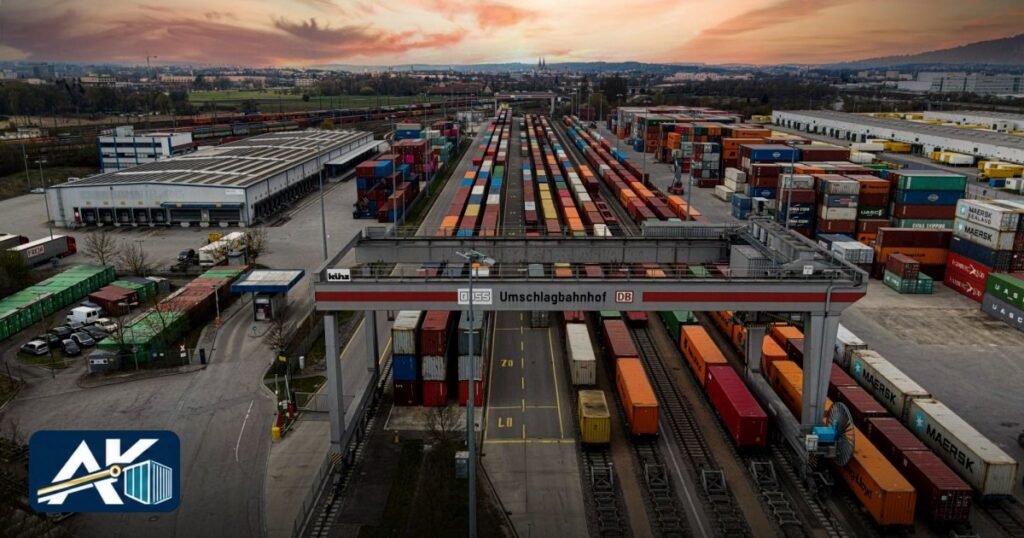
A high cube container looks almost identical to a standard shipping container, but it stands taller, and that single difference changes how much cargo fits, how well it converts into a workspace and how it moves through the supply chain. For a buyer, the real question is not whether the extra height is useful in theory but whether it earns its place for your cargo, your route and your budget. This guide explains what a high cube is and gives you a practical way to decide.
What a High Cube Container Is and How It Differs From a Standard Box
A high cube container, often written as HC or 40HC, is a general-purpose dry container built with the same length and width as a standard container but with extra height. The usual rule of thumb is that it is roughly a foot taller, which adds internal volume and a higher door opening. It is most common in the 40ft size, although high cube versions of other sizes exist in smaller numbers.
Because the footprint is the same, a high cube sits on the same chassis, fits the same corner castings and stacks in the same way as a standard box, subject to the height limits of the vessel, truck, bridge or yard. It follows the same ISO framework and carries a CSC safety approval plate like any other international container.
- Same length and width as the standard version
- Extra internal height and a taller door opening
- Same ISO corner castings and lifting points
- Same dry-cargo use, with more cubic volume
Not every container with extra height is a general-purpose high cube. Open top, flat rack and refrigerated units are specialised types with their own specifications, so always confirm which type you are being offered.
Where the Extra Height Actually Helps
The extra height helps most when your cargo is bulky rather than heavy. Light, voluminous goods such as furniture, packaging, textiles, plastics, household items and many consumer products tend to fill a container by volume long before they reach the weight limit. For these loads, additional height can mean fewer containers per shipment.
It also helps with awkward cargo. Tall machinery, bundled items, stacked pallets and palletised goods that need clearance above them can load more comfortably. A higher door opening makes forklift loading easier and reduces the risk of damage when handling taller pallets.
For storage operators, the benefit is simple: more usable vertical space inside the same footprint. Where racking or stacked pallets are used, that can translate into better use of each box. For a wider look at how containers are used for storage and offices, see our guidance on container conversions.
When the Extra Height Is Not Worth Paying For
A high cube is not automatically the better buy. If your cargo is dense, such as metal parts, tiles, paper reels, liquids in drums or bagged material, you will usually reach the maximum payload before you use the extra volume. In that case you pay for height you cannot use.
Height can also create restrictions. Some road, rail and terminal routes have clearance limits, and a taller container on a trailer may be harder to move through certain areas. Stacking limits at depots, ports and ships can also differ. If your final delivery point has low overhead obstacles, a standard container may be the safer choice.
Finally, availability and pricing may differ between standard and high cube units depending on the location and market. A comparison on your specific route is more reliable than a general assumption. Ask your supplier and forwarder for like-for-like quotes before deciding.
Standard Container or High Cube: A Practical Comparison
The table below summarises the main trade-offs. It does not use prices, because costs vary by market, condition and location.
| Factor | Standard container | High cube container |
|---|---|---|
| Internal height | Standard | About a foot more |
| Best cargo | Dense, heavy goods | Bulky, light or tall goods |
| Payload limit | Set by rating and local rules | Not increased by the extra height |
| Conversions | Tighter after insulation and flooring | More headroom for finishes and services |
| Route restrictions | Fewer clearance concerns | Check bridge, rail and yard limits |
| Main risk | Running out of volume | Paying for volume you do not use |
Use this as a starting point. The right choice depends on your cargo density, loading method and route. You should also weigh the container’s grade, because a well-kept standard box can be a better purchase than a weak high cube.
High Cube Containers for Conversions, Offices and Storage
Builders often prefer high cubes for conversions because the interior height gives room to work with. Once you add flooring, wall insulation, ceiling lining, electrical conduits and lighting, a standard container can feel low. The extra height helps a converted office, retail unit, workshop or modular space feel more comfortable and can improve ventilation and natural light planning.
That said, a conversion still depends on structural planning. Cutting openings in the walls or roof changes how the container carries load, and a competent builder will reinforce the frame where needed. Always match the container’s condition to the project: a cosmetically tired unit may be fine for storage but a poor base for an occupied space.
If you are planning a conversion, discuss the use, the location and local building requirements with your builder early, and compare the structural options before you commit to a unit.
What to Check Before You Buy or Lease a High Cube
Whether you are buying or leasing, the same discipline applies. Confirm that the unit is a true high cube and not a standard box with a similar description. Check the CSC plate and its date information, the floor condition, door seals, corner posts, roof panels and any repair history. Look for rust, dents, cracks, signs of water ingress and unusual odours.
- Confirm the type: general-purpose high cube, not a specialised variant.
- Agree the condition grade in writing, such as new, one-trip, cargo-worthy or wind and watertight.
- Inspect doors, locking bars, gaskets and hinges.
- Check the floor for rot, repairs and contamination.
- Review the CSC plate and documentation.
- Ask for recent photographs or arrange an independent inspection.
Understanding container condition grades is essential, because the grade affects what the unit can do. A one-trip unit suits cargo that needs a clean interior, while an older wind and watertight unit may be enough for static storage. If you are weighing your options, read our overview on buying containers before you commit, and compare it with the leasing route if your need is temporary.
Verdict: Choose a High Cube When Volume or Headroom Matters
Choose a high cube when your cargo is bulky or tall, when you want headroom for a conversion, or when extra storage volume matters more than a small difference in cost or handling. Choose a standard container when your cargo is dense and weight-limited, when your route has height restrictions, or when you can find a better-condition unit at a better value.
If you are unsure, ask your supplier for both options for the same route and compare the total picture: purchase or lease terms, delivery, handling and the type of cargo. Good transport and logistics planning will confirm whether the taller unit can be delivered where you need it. When you are ready, request a quote with your cargo type, route and condition requirements so you can compare like with like.
Frequently Asked Questions
What is a high cube container?
A high cube container is a shipping container with the same footprint as a standard box but roughly a foot more internal height. It is most often seen in the 40ft size, and it is built to the same ISO framework as standard containers.
Can a high cube container be used for any cargo?
Most dry general cargo can go in a high cube, but weight limits still apply and the extra height does not raise the permitted payload. Very dense cargo usually reaches the weight limit before the extra volume is used.
Is a high cube container more expensive to ship?
Carriers and lines may treat high cubes differently on price, and some routes, trucks or rail legs have height restrictions. Confirm the rates and route clearances with your forwarder before booking.
Is a high cube better for a container conversion?
Often yes. The extra height gives more room for insulation, flooring, ceiling finishes and services, so the finished interior feels less cramped. Check the structural plan with your builder.
How do I check the condition of a used high cube container?
Inspect the doors, floor, roof, corner posts and CSC plate, and look for rust, dents, leaks and previous repairs. Request photos or an independent inspection, and agree the condition grade in writing.
← All container insights