
Insights
How does container leasing work for businesses in the GCC region?
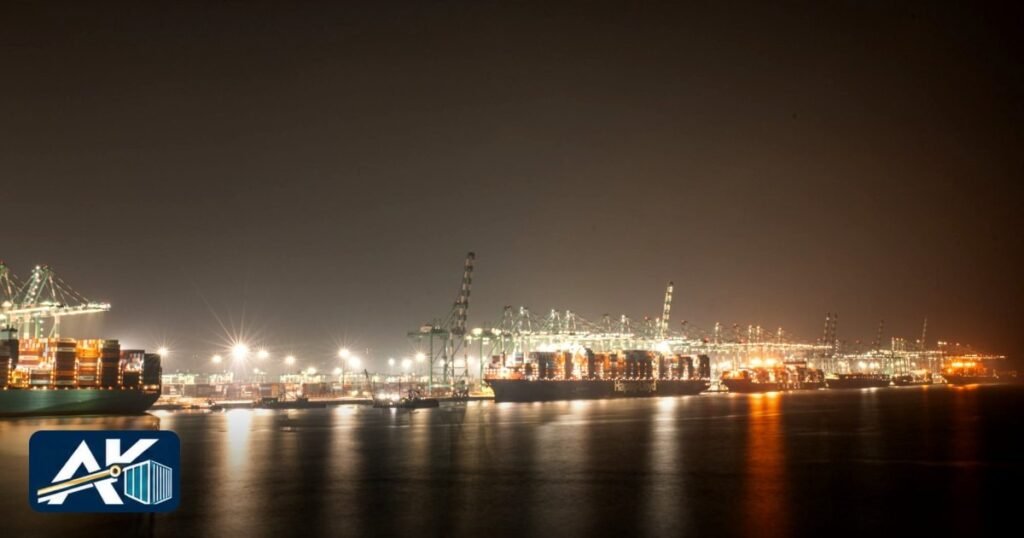
Container leasing offers GCC businesses a flexible alternative to outright purchase, allowing them to scale operations without heavy capital outlay. By understanding the regional nuances, companies can align leasing arrangements with their supply‑chain strategies and regulatory environment.
Understanding Container Leasing in the GCC
The Gulf Cooperation Council (GCC) market is characterised by high import‑export volumes, driven by construction, oil‑related equipment, and consumer goods. Leasing provides a responsive way to meet fluctuating demand, particularly for short‑term projects or seasonal peaks. Rather than committing to full ownership, firms can access a range of container types—dry, refrigerated, open‑top and specialised units—through time‑based agreements that match the duration of their cargo needs.
Leasing contracts typically fall into two categories: operational (or short‑term) leasing, which may last from a few weeks to several months, and financial (or long‑term) leasing, extending over several years and often culminating in an option to purchase. Operational leases are popular for project‑based logistics, while financial leases suit businesses seeking eventual asset ownership without immediate capital expenditure.
Key advantages include reduced upfront costs, maintenance responsibilities often transferred to the lessor, and the ability to upgrade to newer container specifications as industry standards evolve. Moreover, leasing aligns with the GCC’s emphasis on asset‑light business models, supporting agility in a rapidly changing trade environment.
Key Players and Market Structure
The GCC container leasing ecosystem comprises global leasing houses, regional specialists, and major shipping lines that offer ancillary leasing services. These entities collaborate with freight forwarders, port operators and local banks to facilitate financing and regulatory compliance. The market is loosely tiered:
- International leasing firms bring extensive fleet inventories and standardised contract frameworks.
- Regional leasing companies focus on GCC‑specific requirements, such as compliance with local customs procedures and Arabic documentation.
- Shipping line subsidiaries often provide lease‑back options for containers they have previously chartered.
While competition is robust, the sector is governed by transparent pricing mechanisms and industry guidelines, ensuring that businesses can negotiate terms that reflect true market conditions.
| Player Type | Typical Services | Regional Focus |
|---|---|---|
| International Leasing Firm | Wide fleet, standard contracts, global support | All GCC ports |
| Regional Leasing Company | Custom documentation, local compliance assistance | Specific GCC markets (e.g., UAE, Saudi Arabia) |
| Shipping Line Subsidiary | Lease‑back, integrated freight solutions | Major hub ports |
The Leasing Process: From Request to Delivery
Businesses typically begin by submitting a detailed request outlining container type, quantity, intended cargo, and lease duration. Leasing providers assess availability and may propose alternative specifications to optimise cost or performance. Once a suitable match is identified, a provisional quotation is issued, covering rental rates, insurance, and any ancillary services such as cleaning or repositioning.
After the quotation is accepted, the lessor prepares a leasing agreement and coordinates with the shipper’s freight forwarder to schedule container pick‑up. Delivery logistics are managed through the port of entry, where customs clearance is facilitated either by the lessee’s agent or the lessor’s local representative. Throughout the lease term, the lessor generally retains responsibility for routine maintenance, while the lessee ensures the container is used in accordance with safety and loading standards.
At the end of the agreed period, the container is either returned, renewed, or, in the case of a financial lease, transferred to the lessee under a purchase option. Prompt return inspections help avoid disputes over wear and tear, and any required repairs are typically billed according to the original contract terms.
Contractual Terms and Compliance Requirements
Contracts in the GCC emphasise clarity on lease duration, payment schedule, and responsibilities for damage, loss or theft. Payment terms are often structured as monthly instalments, with a security deposit held to cover potential breaches. Insurance coverage is mandatory, usually extending to both the container and the cargo, and must meet the standards set by local maritime authorities.
Compliance considerations include adherence to the Gulf Standardisation Organisation (GSO) specifications for container construction, as well as customs regulations that dictate documentation such as the Bill of Lading, Container Release Order and any required phytosanitary certificates for agricultural goods. Companies operating in the GCC must also respect the United Nations Convention on Contracts for the International Sale of Goods (CISG) where applicable, and ensure that any dispute‑resolution clause aligns with the jurisdiction of the relevant GCC state.
Environmental obligations are increasingly prominent; lessees are encouraged to follow best practices for container cleaning and to avoid the discharge of hazardous substances. By embedding these requirements into the leasing agreement, businesses protect themselves from regulatory penalties and maintain a reputation for responsible logistics management.
Cost Structure and Payment Options
When a business in the GCC decides to lease a shipping container, the total cost is typically broken down into three main components: the base lease rate, ancillary charges and any optional services. The base lease rate reflects the type and size of the container – for example a standard 20‑foot dry container will carry a different rate to a refrigerated 40‑foot unit – and is usually quoted on a monthly basis. Ancillary charges may include delivery and pick‑up fees, insurance premiums, and administrative costs such as documentation handling. Optional services, such as on‑site modifications or specialised tracking systems, are added on a per‑use basis and are clearly itemised on the invoice.
Payment options are designed to suit the cash‑flow patterns of regional businesses. Most providers, including AK Container Logistics, offer a straightforward monthly invoicing model, but quarterly or semi‑annual pre‑payment discounts are often available for customers willing to commit to longer terms. Some operators also provide a “pay‑as‑you‑go” arrangement for short‑term projects, where the container is billed only for the days it is in use, plus a minimal mobilisation fee. For larger enterprises, a revolving credit facility can be arranged, allowing the lease cost to be rolled into existing trade finance arrangements.
It is advisable to request a detailed cost breakdown before signing any agreement, ensuring that all potential fees – including fuel surcharges for long‑distance hauls within the GCC – are transparent and comparable across providers.
Managing Risks and Optimising Asset Utilisation
Effective risk management begins with a clear understanding of the contractual obligations attached to a leased container. Most agreements stipulate that the lessee is responsible for routine maintenance, cleanliness and compliance with local safety regulations. To mitigate unexpected repair costs, many lessors offer a maintenance package that covers scheduled inspections and minor repairs for a fixed monthly fee.
- Conduct a pre‑lease inspection and document the container’s condition.
- Maintain a log of all movements, loading weights and any incidents.
- Schedule regular cleaning and minor repairs to avoid penalties.
- Ensure insurance coverage aligns with the cargo value and regional hazards.
- Review the lease terms annually to adjust for changes in demand.
Optimising utilisation involves matching container size and type to the specific cargo profile of the business. By consolidating shipments and employing load‑optimisation software, companies can reduce the number of containers required, thereby lowering the overall lease expense. Additionally, rotating containers between import and export streams maximises the time each unit spends generating revenue, rather than sitting idle in a yard.
Finally, maintaining open communication with the lessor enables swift resolution of any disputes and provides the flexibility to renegotiate terms should market conditions shift, ensuring that the leasing arrangement remains financially viable throughout its term.
Verdict: Is Container Leasing the Right Choice for Your GCC Business?
For many GCC enterprises, especially those operating in fast‑moving sectors such as construction, oil‑and‑gas, and e‑commerce, container leasing offers a pragmatic alternative to outright purchase. Leasing eliminates the need for a large upfront capital outlay, preserving liquidity for core business activities and allowing firms to scale their logistics capacity in line with demand.
When evaluating whether leasing is appropriate, consider the following factors: the expected duration of container use, the predictability of cargo volumes, and the availability of reliable local service providers. If your business experiences seasonal peaks or project‑based spikes, a flexible lease term with the option to return or exchange containers can provide the agility required to meet tight deadlines without incurring excess inventory costs.
In addition, leasing can reduce exposure to depreciation risk – containers, like any asset, lose value over time, particularly if they are subject to harsh environmental conditions common in the Gulf. By transferring ownership responsibilities to the lessor, you benefit from their expertise in maintenance, compliance and end‑of‑life disposal.
Overall, container leasing is a sound strategic choice for GCC businesses that value financial flexibility, risk mitigation and the ability to adapt quickly to market fluctuations. Conduct a thorough cost‑benefit analysis, compare the terms offered by reputable providers, and align the lease structure with your operational objectives to make an informed decision.
Frequently Asked Questions
What types of containers are typically available for lease in the GCC?
Leasing companies offer standard dry containers, refrigerated units, open‑top and specialised containers such as tankers, matching the diverse needs of regional trade.
How long does a typical container lease last?
Leases can range from short‑term (a few weeks) to long‑term (several years), allowing businesses to choose the duration that aligns with their project cycles.
Are there specific regulatory approvals needed for leasing containers in GCC countries?
Yes, lessees must ensure containers meet local customs, safety and environmental standards, and may need to register the unit with the relevant port authority.
What are the main cost components of a container lease?
Costs usually include a base monthly rate, insurance, handling fees and any optional services such as maintenance or conversion work.
Can leased containers be converted for specialised uses?
Leasing providers often offer conversion services, enabling businesses to modify containers for purposes like cold storage, offices or modular housing, subject to agreement terms.
← All container insights