
Insights
Shipping Container Condensation Prevention: Protect Your Cargo
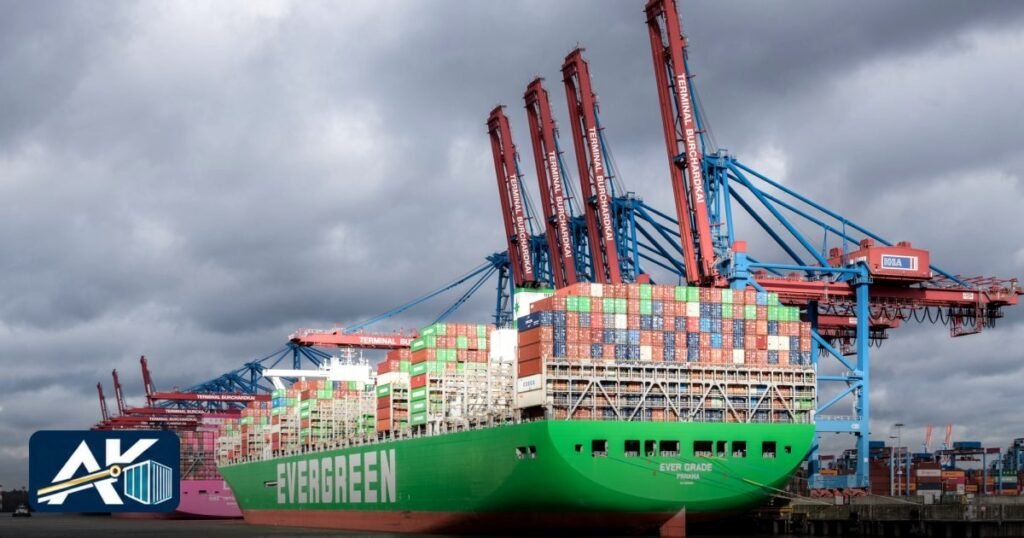
Condensation inside a shipping container can turn a well‑planned logistics operation into a costly problem. Understanding why moisture forms and how to stop it is essential for anyone who stores, ships or converts containers for commercial use.
Understanding Container Condensation and Its Causes
Condensation occurs when warm, humid air inside the container meets a cooler surface, causing water vapour to turn into liquid droplets. The temperature differential is often created by the container being exposed to cold night air after a warm day, or by the cargo itself releasing moisture as it cools. Poorly sealed doors, gaps around fittings and inadequate insulation all exacerbate the problem by allowing external air to infiltrate and internal air to stagnate.
Key contributors include:
- Rapid temperature swings during transit or storage.
- High relative humidity in the surrounding environment, especially in coastal or tropical regions.
- Moisture‑laden cargo such as fresh produce, textiles or machinery that has not been pre‑dried.
- Insufficient ventilation that prevents air exchange.
By recognising these triggers, operators can adopt proactive measures before moisture accumulates and damages the load.
Impact of Moisture on Different Types of Cargo
Moisture does not affect all cargo equally; the degree of risk varies with material composition and packaging.
| Cargo Type | Typical Moisture‑Related Risks | Preventive Measures |
|---|---|---|
| Electronics & Machinery | Corrosion of metal components, short‑circuiting, degraded lubricants. | Use desiccant packs, seal in moisture‑proof wrappings, maintain a dry‑air environment. |
| Textiles & Fabrics | Mould growth, fibre weakening, odour development. | Employ breathable but water‑resistant covers, ensure adequate ventilation. |
| Food & Agricultural Produce | Spoilage, fungal contamination, loss of weight. | Pre‑cool cargo, use refrigerated containers where feasible, monitor humidity. |
| Wooden Pallets & Packaging | Swelling, warping, loss of structural integrity. | Apply moisture‑resistant treatments, store on raised platforms. |
Understanding these specific vulnerabilities enables logistics managers to tailor their protection strategies, reducing waste and preserving product value.
Design and Material Choices That Reduce Condensation
Modern container design offers several options to limit moisture build‑up. Selecting the right construction material and incorporating thermal barriers can dramatically lower the temperature gradient that drives condensation.
Key design considerations include:
- Insulated walls and roofs: Polyurethane or phenolic foam panels provide a continuous thermal break, keeping interior temperatures more stable.
- Thermal liners: Installing a reflective foil liner adds an extra layer of insulation and reduces radiant heat loss.
- Corrosion‑resistant coatings: Applying epoxy or zinc‑rich paint to interior steel surfaces prevents rust that can trap moisture.
- Sealed doors and gaskets: High‑quality rubber gaskets create an airtight seal, limiting external humid air from entering.
When converting containers for specialised uses—such as offices, workshops or cold storage—integrating these features at the design stage is far more cost‑effective than retrofitting after condensation problems appear.
Ventilation Strategies for Effective Moisture Control
Ventilation is the most reliable method to manage internal humidity, as it allows moist air to be displaced by drier external air. The choice of system depends on the container’s location, the nature of the cargo and the duration of storage.
Effective strategies include:
- Passive vents: Fixed or adjustable louvers positioned at opposite ends create a natural airflow driven by temperature differences.
- Active fans: Low‑energy, battery‑operated or solar‑powered fans can be installed to force air exchange, particularly in sealed or insulated containers.
- Monitoring sensors: Integrating humidity and temperature sensors with alerts enables timely intervention before condensation becomes problematic.
Regularly inspecting vents for blockages and ensuring that any installed equipment is maintained will keep the internal environment dry, protecting cargo throughout its journey.
Using Desiccants and Dehumidifiers Inside Containers
Moisture that forms on the interior walls of a container can quickly become a threat to sensitive cargo. Desiccants—typically silica‑gel packs, calcium chloride crystals or clay‑based absorbers—work by attracting water molecules from the surrounding air, thereby lowering the relative humidity inside the sealed space. For most commercial shipments, placing a layer of desiccant packs along the floor and on the side walls provides a passive, low‑maintenance solution that remains effective for several weeks, depending on ambient conditions.
When cargo is particularly hygroscopic, such as electronics, textiles or food products, a powered dehumidifier may be warranted. Modern portable units can be fitted with a battery‑back‑up or solar panel, allowing them to operate throughout a long sea‑leg without external power.
Key considerations when selecting moisture‑control equipment include:
- Capacity: Choose a desiccant quantity or dehumidifier rating that matches the container’s volume (approximately 33 m³ for a standard 40‑foot unit).
- Placement: Distribute packs evenly and keep them away from direct contact with cargo to prevent staining.
- Monitoring: Use a simple hygrometer to verify that humidity levels remain within the target range throughout transit.
- Replacement schedule: Rotate desiccant packs after each voyage or when the indicator colour changes.
By combining passive desiccants with an active dehumidifier where necessary, shippers can create a robust barrier against condensation, protecting valuable goods from moisture‑induced damage.
Best Practices for Pre‑Trip Inspection and Ongoing Maintenance
A thorough pre‑trip inspection is the first line of defence against condensation. Begin by examining the container’s exterior for dents, rust patches or compromised seals, as any breach can allow humid air to infiltrate. Pay particular attention to the door gaskets; they should be flexible, free of cracks and seated evenly when the doors are closed.
Inside the container, look for signs of previous water ingress such as staining, mould growth or corrosion on the frame. Remove any debris, old packing material or stray insulation that could trap moisture. Clean the interior walls with a mild detergent solution and allow them to dry completely before loading.
During the voyage, conduct periodic checks whenever the container is opened—at ports of call, during trans‑shipment or when off‑loading for inspection. Verify that desiccant packs are still intact, that the dehumidifier (if used) is operating, and that the hygrometer reads within the desired range. Record these observations in a simple logbook; a written trail helps identify patterns and informs future preventive measures.
After the container returns, perform a post‑trip audit. Inspect the interior for any new moisture marks, replace spent desiccants, and service the dehumidifier according to the manufacturer’s guidelines. Store the container in a dry, well‑ventilated area, and consider applying a protective coating to the exterior to further reduce the risk of corrosion.
Verdict: Key Steps to Safeguard Cargo from Condensation
Protecting cargo from condensation is not a single‑action task but a series of coordinated steps that begin before the container is sealed and continue long after it is returned to the depot. The most effective strategy integrates proper moisture‑control agents, diligent inspection routines and disciplined maintenance practices.
In summary, shippers should:
- Seal the container tightly, ensuring door gaskets are in good condition.
- Deploy an appropriate amount of desiccant packs and, where required, a calibrated dehumidifier.
- Conduct a comprehensive pre‑trip visual and functional inspection, documenting any defects.
- Monitor humidity levels throughout the journey and replace moisture‑absorbing media as needed.
- Perform a post‑trip audit, refresh moisture‑control supplies and store the container in a dry environment.
Adhering to these steps creates a controlled interior climate, dramatically reducing the likelihood of condensation forming on cargo. By making moisture management an integral part of the logistics workflow, AK Container Logistics helps clients preserve the integrity of their goods, minimise loss, and maintain confidence in the global supply chain.
Frequently Asked Questions
Why does condensation form inside a shipping container?
Condensation occurs when warm, moist air inside the container meets cooler surfaces, causing water droplets to form. This is common during temperature fluctuations on voyages.
What are the most effective ventilation methods for a container?
Installing passive vents at opposite ends or using active vent fans creates airflow that equalises temperature and reduces moisture buildup.
Can desiccant packs replace ventilation?
Desiccants absorb moisture but cannot eliminate the root cause; they should be used alongside proper ventilation for best results.
How often should I inspect a container for moisture damage?
Conduct a visual inspection before loading, after each journey, and during long-term storage, checking for rust, mould, or water stains.
What maintenance routine helps prevent condensation long term?
Regularly clean interior surfaces, repair any seal leaks, ensure vents remain unobstructed, and rotate stock to allow air circulation.
← All container insights