
Insights
Bulk Container Purchase Planning: A Step‑by‑Step Guide
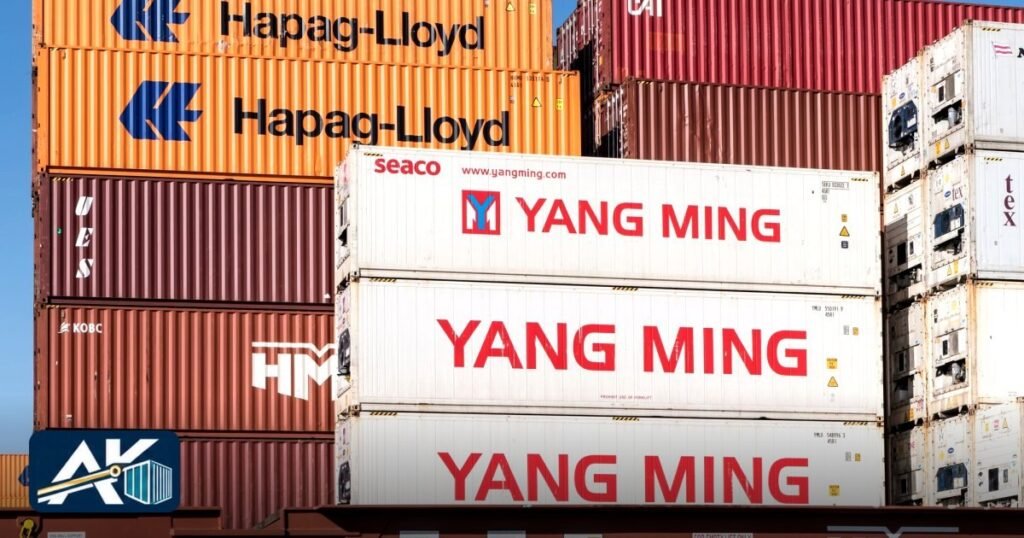
Effective bulk container procurement begins with a clear understanding of your operational needs and the market realities that influence supply. By following a structured approach, you can align your purchasing strategy with project timelines, budget constraints and quality expectations, ensuring a smooth flow from order to delivery.
Understanding Your Volume Requirements and Lead Times
Start by quantifying the exact number of containers required for the upcoming fiscal period. Break the total down by month or quarter to reveal any seasonal spikes that may affect availability. Consider the downstream processes – loading, transport and storage – to confirm that the projected volume will not create bottlenecks in your supply chain.
Next, map out realistic lead times. Standard 20‑foot and 40‑foot dry containers typically require four to six weeks from order to arrival, but this can extend during peak shipping seasons or when specialised modifications are needed. Engage with your logistics team to identify any internal approvals that could add days or weeks to the schedule, such as customs documentation or site‑specific safety checks.
Finally, build a buffer into your plan. Maintaining this safety stock is especially prudent when operating in regions with limited container turnover.
Assessing Container Types and Specification Needs
Choosing the right container type hinges on the nature of the cargo and the handling environment. Dry containers are the most versatile, suitable for general goods, while refrigerated units are essential for temperature‑sensitive products. For oversized or irregular loads, open‑top or flat‑rack containers provide the necessary clearance.
Beyond the basic dimensions, evaluate additional specifications such as door opening width, floor load rating and ventilation provisions. If your cargo requires extra protection, consider containers with reinforced sidewalls or anti‑corrosion coatings, particularly for marine or chemical freight.
| Container Type | Typical Use | Key Specification |
|---|---|---|
| Dry (20‑ft) | General merchandise | Floor load 2,500 kg, door width 2.34 m |
| Reefer (40‑ft) | Perishables, pharmaceuticals | Temperature range –30 °C to +30 °C, insulated walls |
| Open‑top | Bulk commodities, machinery | Removable roof, reinforced frame |
When planning a large order, align these specifications with the operational standards of your warehouses and transport partners. Consistency across the fleet reduces handling complexity and minimises the risk of damage during loading or unloading.
Evaluating Supplier Capabilities and Reliability
Supplier assessment should begin with a review of their fleet size and geographic reach. A provider with a diversified network of depots can offer greater flexibility in delivering containers to multiple ports or inland terminals. Verify that the supplier maintains a robust maintenance programme; regular inspections and certifications are indicators of long‑term reliability.
Request performance data such as on‑time delivery rates and container turnaround times. Additionally, assess their ability to handle custom modifications – a supplier with an in‑house conversion workshop can shorten lead times for specialised builds.
Finally, consider the supplier’s financial stability and insurance coverage. Strong financial health reduces the likelihood of disruptions caused by unexpected market shifts, and comprehensive insurance protects both parties against loss or damage during transit.
Negotiating Pricing, Terms and Payment Structures
Pricing negotiations should be anchored in the volume forecast and the duration of the lease or purchase agreement. Larger orders often qualify for tiered discounts, while longer lease terms can secure more favourable rates. Ensure that the quoted price includes all ancillary costs such as delivery, inspection and any required modifications.
Clarify the contractual terms early. Typical agreements outline responsibilities for container upkeep, liability for damage and procedures for early termination. Pay particular attention to clauses governing force‑majeure events, as they can affect both pricing and delivery schedules.
When it comes to payment structures, many suppliers offer a split‑payment model: an upfront deposit to secure the order, followed by staged payments aligned with delivery milestones. This approach balances cash‑flow considerations for both parties and provides a clear checkpoint for quality verification before final settlement.
Managing Logistics, Shipping and Customs Clearance
When a bulk container order is placed, the logistics chain must be mapped from the supplier’s yard to the final destination port or inland depot. Begin by confirming the incoterms that will apply – most large‑scale purchases use FCA (Free Carrier) or DAP (Delivered at Place) to give the buyer control over the main carriage and customs formalities. Secure a freight forwarder with proven experience in containerised cargo; they will arrange roll‑on/roll‑off (RoRo) vessels or container ships, negotiate sailing schedules and provide real‑time tracking.
Customs clearance can become a bottleneck if documentation is incomplete. Prepare a master file that includes commercial invoices, packing lists, the bill of lading, and any required certificates of origin. For shipments crossing multiple jurisdictions, verify whether a customs broker is needed in each country and confirm that the broker can handle the volume of containers you are importing.
To avoid unexpected demurrage, coordinate the arrival of containers with the receiving facility’s unloading capacity. Where possible, stagger deliveries in line with warehouse space and labour availability. Finally, maintain a contingency plan – alternative ports of entry, backup carriers and a clear escalation matrix – to mitigate disruptions such as port strikes or adverse weather.
Implementing Quality Control and Inspection Protocols
Quality control begins before the first container leaves the factory floor. Draft a detailed specification sheet that covers dimensions, structural integrity, coating condition, door alignment and any special fittings required for conversion projects. Share this sheet with the supplier and agree on a mutually acceptable acceptance criteria.
- Pre‑shipment visual inspection – check for dents, rust, and seal integrity.
- Load‑bearing test – verify that the container can support the advertised maximum payload.
- Coating thickness measurement – ensure compliance with marine‑grade standards.
- Door operation check – confirm smooth opening, locking and sealing.
- Documentation audit – confirm that certificates of conformity and inspection reports are present.
Engage an independent third‑party inspection agency to conduct a non‑destructive examination at the supplier’s site. The agency should provide a written report highlighting any deviations and recommending corrective actions. If discrepancies are found, negotiate a remedial plan that may include on‑site repairs, replacement of affected units, or a discount on the final invoice. Record all inspection outcomes in a central database to track supplier performance over time and to inform future procurement decisions.
Verdict: Best Practices for Successful Bulk Container Procurement
Successful bulk container procurement rests on a disciplined approach that integrates logistics, compliance and quality assurance. Start with a robust demand forecast and align it with a clear procurement schedule, allowing sufficient lead time for production, shipping and customs processing. Choose incoterms that give you visibility over the main carriage and retain control of customs duties.
Maintain a single source of truth for all documentation – invoices, certificates, inspection reports and shipping manifests – to streamline clearance and reduce the risk of demurrage. Regularly audit suppliers against your specification sheet and enforce corrective actions promptly; this protects both the structural integrity of the containers and the reputation of your supply chain.
Finally, embed continuous improvement by reviewing each bulk purchase against key performance indicators such as on‑time delivery, defect rate and total landed cost. By applying these best practices, AK Container Logistics can deliver reliable, high‑quality containers to clients worldwide while minimising risk and maximising value.
Frequently Asked Questions
How do I determine the right quantity of containers for a large order?
Start by analysing your projected cargo volumes, turnaround times and storage capacity, then add a safety buffer to accommodate demand spikes or delays.
What container specifications should I prioritise when planning a bulk purchase?
Focus on size, grade (e.g., standard, high‑cube, refrigerated), material condition and any required modifications such as fittings or ventilation.
How can I verify the reliability of a container supplier?
Check their industry experience, client references, compliance certifications and conduct on‑site or third‑party inspections before committing.
What are the key points to include in a bulk container purchase contract?
Clearly define quantities, delivery schedules, payment terms, warranty periods, inspection rights and penalties for non‑conformance.
Should I arrange container inspections before shipment?
Yes, independent pre‑shipment inspections help confirm condition, dimensions and compliance, reducing the risk of costly disputes on arrival.
← All container insights