
Insights
Container Loading Tips for Export Packing Without Damage
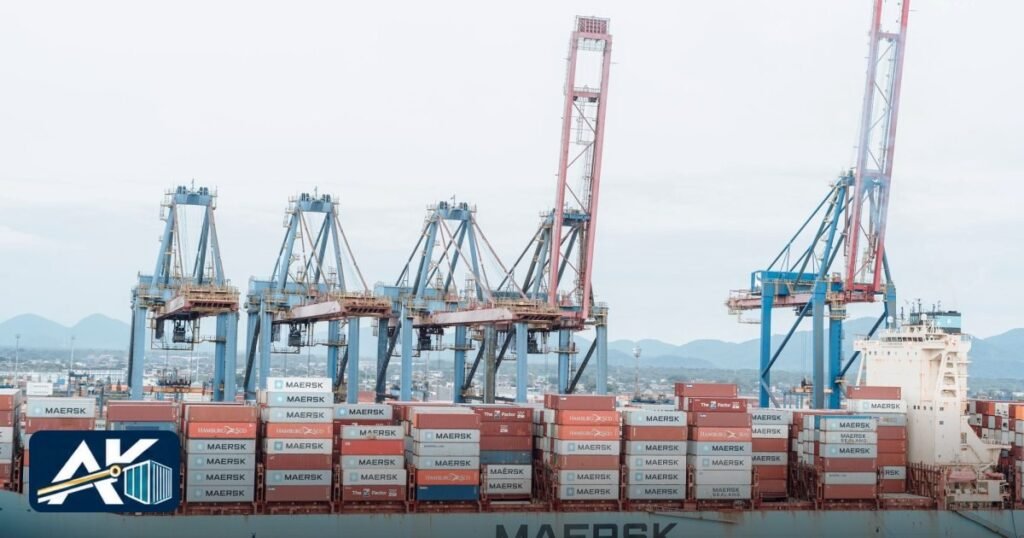
Most cargo damage in export shipping is not caused by one dramatic event. It builds up through small movements, moisture and uneven weight over days of road, port and sea handling. Good container loading tips for export packing come down to planning the load, choosing a sound container and securing everything so that it cannot move. This guide walks through the practical steps, in the order you would actually do them.
Why does export packing fail so often?
A container will be lifted by cranes, stacked, trucked, railed and rocked by sea swell. Cargo that sits comfortably on a warehouse floor can shift, tip or crush under those forces. Forces act in every direction, and the sea leg usually brings the longest period of continuous movement.
The most common failure patterns are easy to recognise once you know them:
- Cargo that was loaded with gaps and slid towards the door or a side wall.
- Heavy items stacked on top of fragile ones, crushing the lower layer.
- Unevenly distributed weight, which strains the floor and makes handling less safe.
- Moisture from condensation, wet pallets or a leaking container.
- Packaging that suited a short domestic trip but not an international journey.
Planning the load before the container arrives at your site removes most of these problems. A simple loading plan, drawn or written, is usually enough.
How do you choose and inspect the right container before loading?
Match the container type to the cargo
A standard dry container suits most palletised and boxed goods. Tall cargo may need a high-cube unit, while oversize or awkward loads may call for an open top or flat rack. Temperature-sensitive goods need a refrigerated unit. Choosing the wrong type is a damage risk before a single carton is loaded.
Inspect the container as if you were buying it
Check the box inside and out before loading. Stand inside with the doors closed and look for light coming through, which signals holes or failed seals. Examine the floor for soft spots, the walls for dents or corrosion, and the door gaskets and locking bars for wear. Smell matters too: lingering chemical or food odours can taint new cargo. Our guide to container condition grades explains how wind and watertight and cargo-worthy units differ, which helps you decide what is acceptable for your goods.
If the container fails your inspection, reject it and request a replacement. It is far cheaper to swap a box at the depot than to deal with a damaged load at destination.
How should weight be distributed inside the container?
Weight distribution is the foundation of safe loading. The rules are simple, even if applying them takes discipline.
Keep the centre of gravity low and central
Place the heaviest items on the floor and as close to the middle as practical. Avoid loading all the weight at one end or by the doors. An unbalanced container is harder to lift and truck safely, and concentrated weight can stress the floor and cross-members.
Build stable layers
Load in tiers, heavy at the bottom and lighter above. Pallets of similar size should be placed so that their edges line up, which avoids overhang and prevents boxes from being crushed at the edges. Do not stack beyond what the packaging is rated to carry, and remember that the bottom layer takes the strain of everything above it, plus the dynamic forces of transit.
Respect the stated limits
Every container has a maximum payload shown on its plate, and road and port rules also affect what you can legally move. Weigh the cargo and packaging accurately and keep within the limits. Overloading creates safety risks and can lead to delays and penalties at the port.
What packing and protection methods prevent cargo damage?
Pack for the journey, not the warehouse
Use strong, clean cartons, sound pallets and wrapping suited to long transit. Fragile or high-value goods benefit from inner cushioning and rigid outer packaging. Edge protectors and corner boards help to stop strapping from cutting into cartons. Label packages clearly with handling marks, and ensure labels still make sense if packages are repositioned.
Choose compatible materials
Do not mix goods that can react or contaminate each other, for example strongly scented items next to food products, or powders next to damp goods. Wood packaging used in international trade is commonly subject to treatment and marking requirements, so check the rules for your destination country before you pack.
Compare common securing methods
| Method | Best used for | Main caution |
|---|---|---|
| Dunnage and timber bracing | Filling larger gaps and blocking heavy items | Must be dry and properly fixed so it cannot move |
| Inflatable airbags | Filling voids between pallets and boxes | Never use as the only restraint for heavy or unstable loads |
| Strapping and lashing | Securing pallets, drums and machinery to lashing points | Use correct tension and rated lashing points only |
| Anti-slip mats | Reducing sliding of cartons and pallets | Does not replace blocking in a rough sea passage |
| Shrink or stretch wrap | Unitising cartons on a pallet | Protects the pallet unit, not the container load as a whole |
How do you block and brace so nothing can move?
Aim for a load that is tight from wall to wall, so that nothing can slide, tip or roll. Fill all gaps between cargo units and between the cargo and the container walls. Where voids remain, use airbags, timber or purpose-made spacers. Pay special attention to the area next to the doors, which is the place where cargo most often leans and presses when the doors are opened at destination.
Cylindrical items such as drums and rolls need chocking so they cannot roll. Machinery and heavy single items need to be lashed to rated anchor points and blocked at the base. Where cargo has uneven shape, build supports around it instead of hoping the container walls will hold it.
Finally, think about unloading. A load packed so that the final pallet leans on the doors can fall out when they open. A neat last layer and secured door-end cargo make the unloading team safer and protect the goods at the last step.
How do you protect cargo from moisture and condensation?
Water is the quiet cause of many claims. A sealed steel box can build up condensation as temperatures change during a voyage, especially when cargo or packing materials carry moisture into it.
- Load only dry cargo and dry packaging; never pack in rain without cover.
- Check for leaks around the roof, door seals and floor before loading.
- Use desiccant products suited to the cargo and journey length where moisture risk is high.
- Line the container or wrap sensitive goods in moisture-resistant film where appropriate.
- Avoid packing wet or freshly treated timber alongside moisture-sensitive goods.
Ventilation needs differ by cargo, so ask the supplier or forwarder for advice on goods that are especially sensitive. A well-inspected container with dry contents is the best defence.
What should you check before the doors close and the container leaves?
A final check takes a few minutes and can save the whole shipment. Photograph the packed container before sealing it, including the cargo, bracing and door area. Make sure the seal number is recorded on your shipping documents, and that the packing list matches what is actually inside. Confirm the weight declaration is accurate, because incorrect weights create safety and compliance problems.
Think about the whole route as well. Rail and road legs add their own handling stresses, so talk to your forwarder about the planned route and handling points. Our team can help you plan the route and handling to suit your cargo.
The verdict is simple: damage-free export packing is a process rather than a product. Choose a suitable and well-inspected container, load heavy items low and central, block and brace until nothing can move, keep everything dry, and record the load before it leaves. If you need a sound container to start with, you can request a container quote and our team will help match the right unit to your cargo.
Frequently Asked Questions
How should heavy cargo be placed inside a shipping container?
Place the heaviest items on the floor, centred along the length and width of the container, and keep the centre of gravity low. Lighter goods go on top, and the load should be spread evenly across the floor rather than concentrated in one area.
Do I need to block and brace cargo even if the container is full?
Yes. A container that looks full can still have small gaps, and cargo shifts when the vessel rolls or the truck brakes. Gaps should be filled with dunnage, airbags or timber bracing, and the load should be lashed where needed.
What causes moisture damage in exported cargo?
Condensation inside the container, wet packing materials, rain during loading and leaks through a poorly maintained door seal or roof are the usual causes. Dry cargo, dry packing and a properly inspected container reduce the risk considerably.
Should I inspect the container before loading?
Always. Check the floor, walls, roof, door seals and locking gear, and look for odours or residue from previous cargo. A container that is not wind and watertight or not fit for your goods should be rejected before loading starts.
Who is responsible for how the container is packed?
In most export arrangements the shipper or whoever loads the container is responsible for packing and securing the cargo correctly. Carriers and insurers generally expect the load to be fit for sea and road transport, so confirm responsibilities in your contract.
← All container insights