
Insights
Choosing a Container Logistics Partner: Key Questions
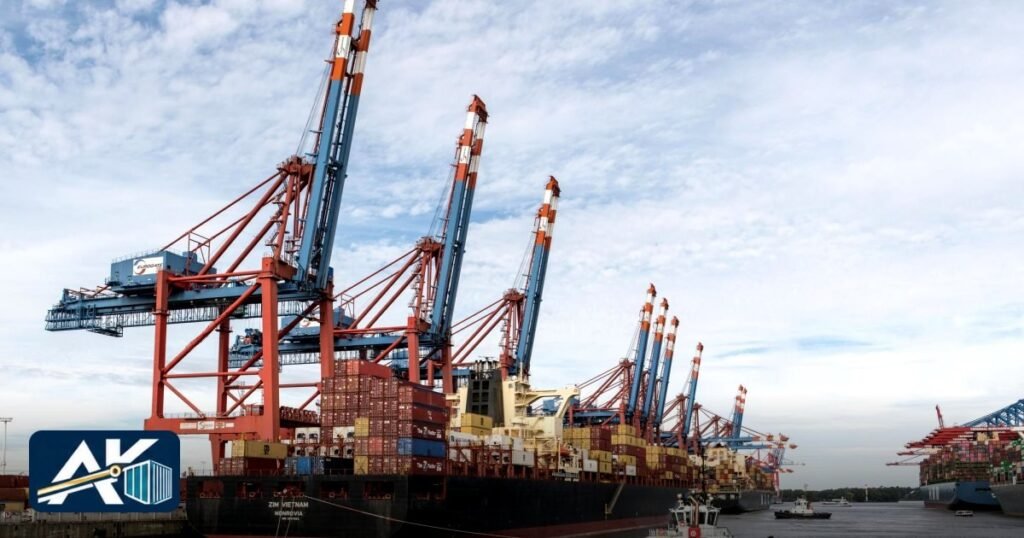
The wrong logistics partner can turn a good container purchase into a delayed, disputed shipment. The right one makes the move predictable. This guide sets out the questions worth asking before you choose a container logistics partner, why each one matters and what a good answer sounds like.
Define what you need moved before you speak to anyone
Good questions depend on a clear brief. Before you contact providers, write down what you are moving, where it starts and where it ends. Note the container type, whether the units are new, one-trip or used, and whether you are moving a single unit or a regular programme of shipments.
Add the practical details: whether the delivery site has a hard, level surface and truck access, whether you need unloading equipment, and whether the containers will be sent on for conversion. If you are still deciding between buying and leasing, say so, because the delivery and return arrangements differ.
A written brief lets you compare partners on equal terms and stops each provider from quoting a different job.
Ask what the partner actually controls
Many logistics businesses sell a door-to-door service but run only part of it themselves. The rest is subcontracted to hauliers, depots, shipping lines or agents overseas. That is not necessarily a problem, but you need to know where the chain is.
Ask which legs they operate, which they buy in and how they manage the subcontractors. Ask who will be your single point of contact and who steps in when that person is away. Then ask what happens when a leg fails: if a truck does not arrive or a booking is rolled to a later sailing, who is responsible for the cost and the communication?
Clear, specific answers are a good sign. Vague promises such as “we handle everything” should lead to follow-up questions.
Check their knowledge of equipment and condition
A partner that moves containers should understand them. Ask how they identify container grades, who carries out inspections and what evidence you receive, such as dated photographs or a written survey. Ask how they handle damage found on delivery and whether they record condition at pick-up as well.
If your containers must meet particular standards, ask whether they can confirm that the CSC plate is present and valid and that the unit is suitable for the cargo or conversion you intend. Our guide to container conditions explains the common grades so you know what to expect.
A partner who can explain the difference between cargo-worthy, wind and watertight and as-is units in plain terms is more likely to avoid disputes at hand-over.
Compare partner types before you request quotes
Not every provider does the same job. The table below shows the main types and what to check with each.
| Partner type | Typically handles | Best suited to | Question to ask |
|---|---|---|---|
| Freight forwarder | Booking, documentation and coordination across several carriers | Cross-border shipments with more than one leg | Which carriers and agents do you use at origin and destination? |
| Shipping line | Ocean transport between ports | Port-to-port movements where you arrange the rest | What are the terms for delays, demurrage and detention? |
| Haulier or trucking company | Inland delivery and collection | Local or regional moves to a yard, site or depot | What unloading method do you use and what site access do you need? |
| Depot operator | Storage, inspection, repair and release of empties | Holding stock or preparing units for sale or conversion | How do you report condition and release units? |
| Container supplier with logistics | Equipment plus delivery under one contract | Buyers who want one accountable party | Can I see equipment and delivery charges separately? |
Most buyers use more than one type. What matters is that someone is clearly accountable for the whole journey.
Get clarity on documents, terms and responsibility
Ask which documents the partner prepares and which you must supply. For international moves this usually involves the booking confirmation, bill of lading, commercial invoice, packing details and customs entries. If you trade on Incoterms, ask them to confirm in writing where risk and cost pass from seller to buyer on your shipment.
Questions worth asking on responsibility and cost:
- Which charges are included in the quote, and which are billed separately?
- How are port, terminal and storage charges handled if the container is delayed?
- What are the free time terms, and who pays after they expire?
- What insurance covers the container in transit, and what is your liability if it is damaged?
- How is a claim made and how long do you take to respond?
- What are the conditions for changing or cancelling a booking?
Ask for the answers in writing. A reliable partner will not mind putting terms on paper.
Test communication, tracking and problem handling
Logistics rarely runs perfectly. What separates good partners is how they respond when plans change. Ask how you will be updated: by email, a portal or a named contact. Ask how quickly you can expect a reply on a delay and whether they warn you before a problem reaches the quay, rather than after.
Request references or examples of similar jobs, especially for the route and container type you need. Ask what went wrong on a previous shipment and how they handled it. Honest answers are more useful than a flawless record, since no operator has one.
Finally, ask how they handle conversions or special deliveries if you plan to modify units, because timing and site access matter more there. Our page on transport and logistics outlines how we approach these moves.
Verdict: pick the partner who answers clearly and puts it in writing
The best container logistics partner is not necessarily the cheapest or the largest. It is the one that explains who controls each leg, understands container condition, handles your documents properly, states its terms in writing and communicates when things change.
Use the questions above as a scorecard, ask each shortlisted provider to quote on the same basis, and compare the answers side by side. If you would like to discuss your route, equipment and timing, you can contact our team and request a quote.
Frequently Asked Questions
What is the first question to ask a container logistics partner?
Ask exactly which parts of the journey they control and which they subcontract. A clear answer on ownership of each leg tells you who is accountable when something goes wrong.
Should I choose a partner that also supplies containers?
It can simplify things, because equipment condition, delivery and paperwork are handled by one team. Still compare the quote for each element separately so you can see what you are paying for.
How do I judge whether a partner understands container condition?
Ask how they grade units, who inspects them and what photos or reports you receive. A knowledgeable partner can explain the difference between cargo-worthy, wind and watertight and as-is condition without hesitation.
What documents should a partner be able to handle?
At minimum the booking, bill of lading, customs paperwork, delivery orders and proof of delivery. If you trade under Incoterms, they should also understand where responsibility passes between buyer and seller.
How can I compare logistics quotes fairly?
Ask every partner to quote on the same basis: same equipment, same pick-up and delivery points, same Incoterm and the same list of included charges. Otherwise the cheapest quote may simply leave costs out.
← All container insights