
Insights
Containers for Agriculture and Cold Storage Guide
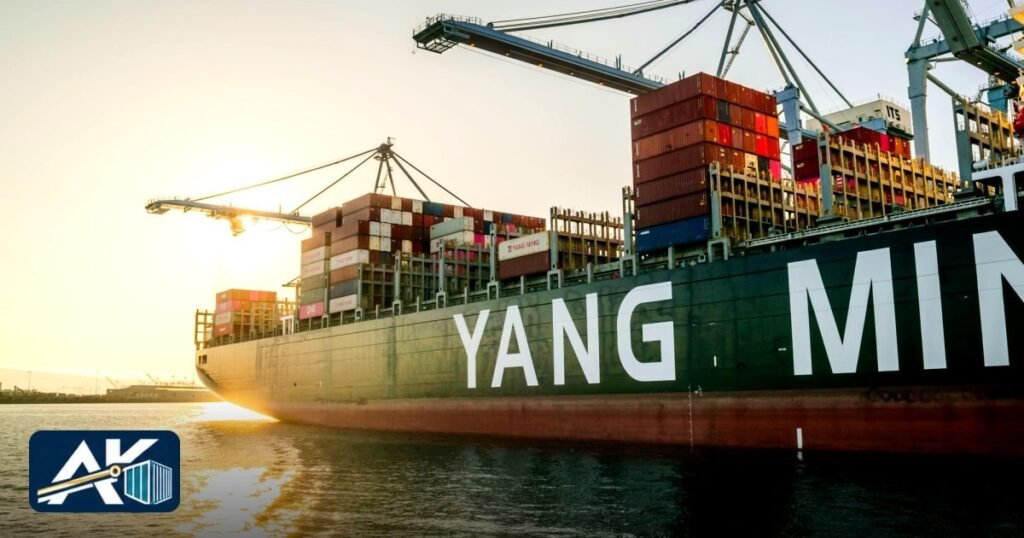
Containers have become a practical building block for farms, packhouses and food distributors that need secure, weatherproof and sometimes temperature-controlled space. Choosing the right box for agriculture and cold storage is not just a matter of size, because the cooling method, condition and logistics all affect how well it protects your produce. This guide sets out what to consider before you request a quote.
Why are containers used for agriculture and cold storage?
A shipping container is a strong, stackable, standardised steel box that is easy to move and easy to secure. For agricultural operations, that standardisation is the main attraction. A container can be placed at a farm gate, a packing area or a port yard, and it can be moved again as the operation changes.
For dry goods such as seed, tools, packaging and fertiliser, a standard container offers weather and pest protection at a fraction of the effort of a permanent building. For perishable goods, the picture is different: the box must hold a stable temperature, which means refrigeration, insulation or both.
The flexibility also helps seasonal businesses. Harvest peaks create short bursts of demand for cold space, and a container can be added for that period and removed afterwards, rather than building capacity that sits idle for most of the year.
Which container types suit farm and cold storage use?
The main options differ in how they manage temperature and access. Matching the type to the product is the first decision, and it is worth being specific about what you will store and for how long.
| Container type | Best suited to | Temperature control | Key consideration |
|---|---|---|---|
| Standard dry container | Seed, tools, packaging, dry produce | None | Ventilation and condensation management |
| Reefer container | Fresh produce, dairy, frozen goods | Built-in refrigeration unit | Power supply and machinery condition |
| Insulated container | Short-term cool storage with external cooling | Passive insulation only | Needs a separate cooling source |
| Converted cold room | Permanent on-site chilled storage | Fitted cooling system | Quality of the conversion work |
| Open top or flat rack | Oversized equipment and bulky loads | None | Not suitable for perishables |
Size matters as well. The common 20ft and 40ft lengths are easy to find, while a 40HC gives extra internal height, which can help with palletised loads and airflow above the stack. Check the internal dimensions against your pallets and handling equipment rather than relying on the nominal length.
Is a reefer container always the right choice for cold storage?
A reefer holds a set temperature actively
A reefer container has a refrigeration unit built into one end, designed to hold a chosen temperature range. That makes it the most dependable option for fresh fruit, vegetables, dairy and frozen products where the temperature must not drift.
A reefer depends on power and maintenance
The trade-off is that a reefer is a machine as well as a box. It needs a suitable electrical supply, and the refrigeration unit needs servicing. If your site has an unreliable supply, plan for a generator or backup arrangement, because a power cut can quickly put a full load at risk.
An insulated or converted box can suit simpler needs
If you only need to keep produce cool for a short period, or you already have a cooling system, an insulated or converted container may be enough. These options can be cheaper to run, but they place more responsibility on you to design the cooling, the airflow and the door sealing properly.
What should you check on condition and inspection?
For any container, the shell condition matters: look for rust, dents, floor damage and door seals that close properly. Terms such as new, one-trip, cargo-worthy, wind and watertight, and as-is describe different levels of condition, so make sure you understand which one a seller means. If you want a clearer picture of how these grades differ, check the condition grades before you commit.
For a reefer, the inspection must go further. The refrigeration machinery, the temperature controller, the insulation lining, the drainage and the floor T-bars all affect performance. A tidy exterior tells you little about whether the unit will hold temperature under load.
Ask for the inspection findings in writing, ask what testing the cooling unit has had, and where possible have the unit inspected independently before payment. For a container that will hold food, cleanliness and the absence of odours or residues are also part of the assessment.
- Confirm the container type, size and grade in writing before you pay.
- Ask whether the refrigeration unit has been tested and what the results were.
- Check the door seals, the floor and the insulation for damage.
- Verify the electrical requirements against your site supply.
- Confirm the CSC plate and documentation are in order if the box will travel.
- Agree who is responsible for delivery, unloading and any repairs.
How do power, ventilation and airflow affect produce quality?
Keeping produce in good condition is about more than a cold number on a display. Airflow around the load, sensible stacking and clear air channels all help the cold air reach every pallet. A box packed tightly to the walls can develop warm spots even when the unit is working properly.
Ventilation is just as important for non-refrigerated storage. A dry container left closed in hot, humid conditions can build up condensation, which can damage packaging and encourage mould. Vents, desiccants and sensible placement out of direct sun help to reduce this risk.
On the power side, check the voltage and phase required by the unit, the type of connection, and the cable length from your supply. A temperature monitoring or alarm system is a sensible addition for any perishable load, because it gives you early warning if something fails out of hours.
Should you lease or buy for agricultural use?
The answer depends mainly on how steady your demand is. A seasonal grower with a short harvest window may be better served by leasing, as the cost is tied to the period of use and the lessor often handles servicing of the refrigeration equipment. A processor or distributor with year-round cold storage needs may prefer to own the unit and control its maintenance.
Think about what happens at the end of the period as well. A purchased container keeps some resale value if it has been looked after, while a leased unit is simply returned. To weigh the options properly, compare leasing and buying against your expected use and ask for both quotes at the same time.
Conversions are a further route. A container can be fitted out as a cold room, a packing space or an office, and the quality of that work determines how well it performs. Choose a builder who can explain the insulation, vapour barrier and door arrangements, not just the finished appearance.
How do you plan delivery, documentation and the final decision?
A container that cannot be delivered properly is of little use. Check that the site has firm, level ground, enough room for the delivery vehicle to manoeuvre, and a way to unload the box safely. For reefers, confirm in advance where the power connection will be. You can plan transport and delivery alongside the purchase so that dates, handling and responsibilities are agreed up front.
If the container crosses a border, the documentation matters. Typical items include the bill of lading, the agreed Incoterms and the container’s CSC plate, and the exact requirements depend on the route and the goods. Rules for moving food and plant products vary by country, so confirm the requirements with the relevant authority before shipping.
In short, choose a reefer when temperature stability is essential, an insulated or converted box when needs are simpler and you can supply cooling, and a standard dry container for non-perishable storage. Lease when demand is seasonal and buy when use is steady. Whatever you choose, insist on a clear inspection record and a clear delivery plan. When you are ready, request a quote with your product, volume, site details and timing, so that the supplier can recommend the right unit.
Frequently Asked Questions
Can I use a standard dry container for cold storage?
Not on its own. A standard dry container has no refrigeration and little insulation, so it cannot hold a set temperature. It can be converted with insulation and a cooling unit, but for reliable temperature control most buyers start with a purpose-built reefer.
What is the difference between a reefer and an insulated container?
A reefer has an integrated refrigeration unit that actively cools and holds a set temperature. An insulated container only slows heat transfer and needs an external cooling source. The right choice depends on how long the produce is stored and how stable the power supply is.
Should I buy or lease a container for seasonal farm use?
Seasonal demand usually favours leasing, because you pay for the box only while you need it. If cold storage is a permanent part of your operation and you can maintain the unit, buying can make more sense. Ask for a quote on both before deciding.
What condition grade should I look for in a reefer?
Look for a unit whose structure, floor, door seals and refrigeration machinery have all been inspected, not just the shell. A cargo-worthy shell with an unproven cooling unit is a common source of disappointment, so ask for the inspection findings in writing.
Do I need a power supply on site?
Yes, a reefer needs a suitable electrical supply, or a generator, to run its cooling unit. Confirm the voltage, phase and plug type of the unit against what your site can provide before it is delivered.
← All container insights