
Insights
Container Leasing: Short-Term, Long-Term, One-Way
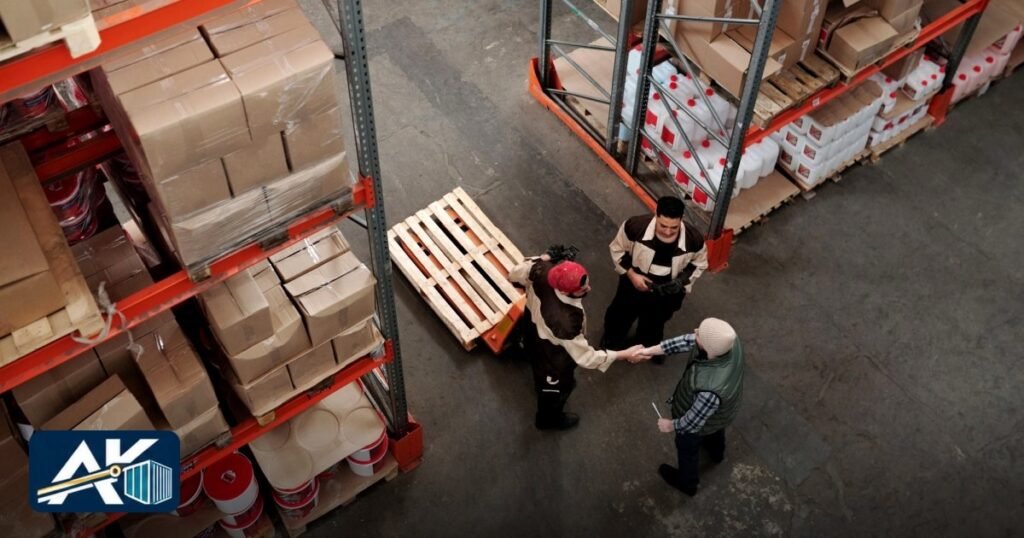
Container leasing lets you use a steel box without owning it, which makes it a flexible option for importers, exporters, builders and storage operators. The three main structures are short-term, long-term and one-way leases, and each one allocates cost, risk and flexibility differently. This guide explains how they work so you can pick the right structure before you request a quote.
What is container leasing and who uses it?
In a lease, the owner of the container, called the lessor, gives you the right to use specific units for an agreed period in return for regular payments and compliance with the lease terms. You do not take ownership, and the unit goes back at the end of the term or at the agreed drop-off point.
Shipping lines, freight forwarders and exporters use leasing to cover peaks in demand. Construction firms, event operators and retailers lease units for site storage or temporary space. Because the container is a standard, internationally recognised piece of equipment, leasing is practical for both domestic and cross-border use. If you are comparing options generally, our container leasing page summarises what is available.
How does a short-term container lease work?
A short-term lease covers a defined project, season or single shipment, often running from a few weeks to several months. It is usually priced per day or per month, and the rate normally reflects the flexibility you are getting. The unit is returned to a depot agreed in the lease.
This structure works well when demand is uncertain or temporary. A business shipping goods for one season, for example, avoids tying up capital in boxes it will not need again. The trade-off is that the cost per unit of time is generally higher than a long-term deal, so a short lease that keeps being extended can end up costing more than a longer commitment would have.
Before you sign, confirm the minimum term, the extension rules, the free days at pick-up and return, and what happens if the container is returned late.
How does a long-term container lease work?
A long-term lease commits you to a unit or a group of units for a period of years. Because the lessor can plan around your commitment, the periodic rate is typically lower than a short-term arrangement. Long-term leases suit regular shippers, depot operators and companies using containers as fixed storage or workspace.
Many long-term arrangements are structured as master leases, where the framework terms are agreed once and individual pick-ups are scheduled under it. Others are finance-style leases that end with an option to buy the unit. Read the end-of-term clause carefully, because it decides whether you return the container, purchase it or renew.
The main risk is committing to more capacity than you need. If your volumes fall, you may still owe payments, so match the commitment to your realistic baseline demand and not your best-case forecast.
How does a one-way container lease work?
A one-way lease lets you pick up a container at one location and return it at another, often in a different port or country. It exists because trade flows are uneven: some regions export far more containers than they receive, so lessors need boxes repositioned. A one-way lease helps them move equipment while giving you transport capacity.
The commercial terms are specific. The pick-up and drop-off locations are fixed in the agreement, and a drop-off or repositioning charge may apply, which can vary by route and by the supply of containers at the destination. Availability is also variable, so confirm that the destination depot will accept the unit on the planned date.
Plan your documentation too. The bill of lading, the Incoterms of the sale and the rules of the destination port should all be consistent with the lease so no one is left unsure who is responsible for the box at each stage.
How do the three lease types compare?
| Feature | Short-term lease | Long-term lease | One-way lease |
|---|---|---|---|
| Typical duration | Weeks to months | Years | A single trip |
| Flexibility | High | Lower | Medium, tied to route |
| Cost approach | Higher rate per period | Lower rate per period | Trip-based with possible drop-off charge |
| Return location | Agreed depot | Agreed depot or end-of-term option | Different location from pick-up |
| Best for | Seasonal or project needs | Regular, predictable demand | Single cross-border moves |
| Main risk | Repeated extensions raise total cost | Over-committing capacity | Drop-off availability and charges |
Use the table as a screening tool. Your real choice should reflect how long you need the container, how predictable your volumes are and where the unit needs to end up.
What should you check before signing a container lease?
- Container type, size and specification, such as 20ft, 40ft or 40HC, and any special features.
- Condition standard at pick-up, for example cargo-worthy or wind and watertight condition, and how it is documented.
- Inspection process at pick-up and return, including photographs and a signed report.
- Valid CSC plate and compliance with relevant standards for international transport.
- Lease term, extension rules, free days and late return terms.
- Pick-up and drop-off locations, and any repositioning or handling charges.
- Responsibility for damage, repair and loss, and the exclusion for fair wear and tear.
- Insurance requirements, including who must insure the unit while it is in your possession.
Always inspect the container before pick-up. The inspection report becomes your evidence if a dispute arises about damage at return. Our guide to container conditions and quality grades explains what the common grades mean.
Verdict: when does leasing make more sense than buying?
Leasing generally wins when your need is temporary, your volumes are uncertain or you want to avoid tying up capital. Buying usually makes more sense when you will use the container for years, plan to modify it or place it on a site permanently. Many businesses mix both, owning a core fleet and leasing extra capacity at peak times.
To compare container leasing and buying for your situation, estimate the number of months you will actually use each unit and request written quotes for both routes. The right answer is the one with the lowest total cost over your real use period, with acceptable risk. When you are ready, you can contact the team with your container type, quantity, term and destination to get a tailored quote.
Frequently Asked Questions
What is the difference between short-term and long-term container leasing?
Short-term leases cover a specific trip or a few months and suit seasonal or project needs. Long-term leases run for years, usually with lower daily or monthly rates and a commitment to keep the unit in service.
What is a one-way container lease?
A one-way lease lets you pick up a container at one location and return it at another, often in a different country. It suits trade lanes with imbalanced flows, and the drop-off point and any repositioning charge are agreed upfront.
Who pays for damage on a leased container?
Responsibility is set by the lease and is usually based on a pick-up and return inspection. Fair wear and tear is normally excluded, while damage beyond it is charged to the lessee, so inspect and document the unit carefully.
Is leasing a container better than buying one?
Leasing suits variable demand and short projects, while buying is often better if you will use the container for years or want to convert or store on site. Compare the total cost over your expected use period.
What documents should I get with a leased container?
Ask for the lease agreement, the equipment interchange or inspection report, and confirmation that the unit carries a valid CSC plate. Keep copies of every handover record.
← All container insights