
Insights
Transport Container to Site: Truck, Crane and Access
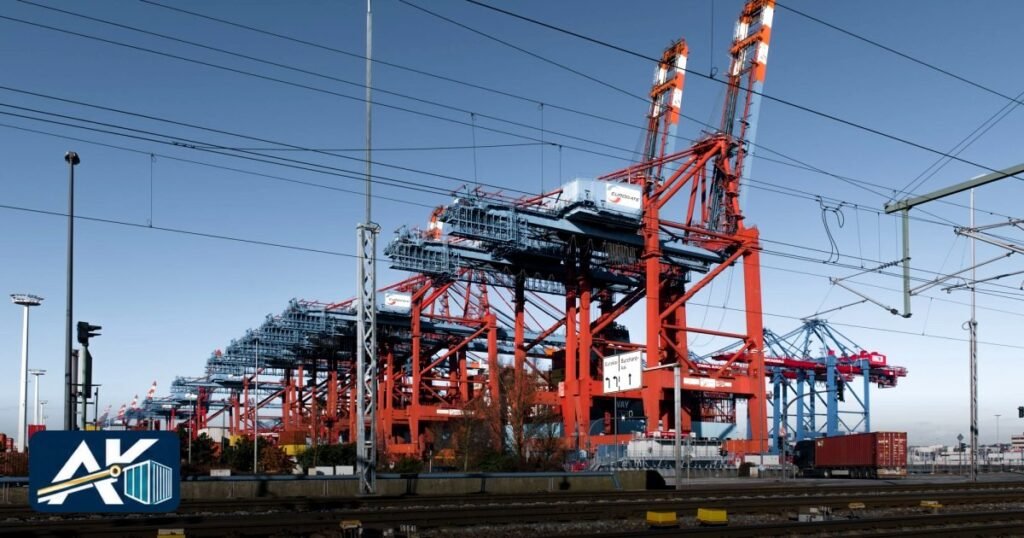
Getting a container from the depot to its final position is where many projects lose time and money. To transport container to site safely, you need to match the vehicle, the offloading method and the access route to the unit and the ground it will sit on. This guide covers each decision in the order you will meet it.
What should you confirm before booking delivery?
Start with the container itself. Its size, whether it is empty or loaded, and whether it has been modified all affect which vehicle and equipment you need. A standard empty twenty-foot unit is far easier to handle than a forty-foot high-cube that has been converted into an office with fitted walls and services.
Then define the destination. Decide where the container will sit, which way the doors face and whether it will be stacked or placed alone. Facing the doors the wrong way is one of the most common and most annoying mistakes, because turning a container on a tight site can be impossible without a crane.
Finally, confirm who owns each task. Your supplier, haulier and site team should agree in writing who handles permits, ground preparation, site supervision and any waiting time charges. Our transport and logistics services page explains how delivery is usually organised for buyers and lessees.
Which trucks can deliver a container to site?
Flatbed and skeletal trailers suit sites with lifting equipment
A flatbed or skeletal trailer carries the container and relies on a crane, forklift or reach stacker to lift it off. This is the standard method for depots, yards and construction sites where lifting equipment is already present, and it allows precise placement and stacking.
Tilt-bed and side-loader trucks work where there is no crane
Tilt-bed trucks slide the container down at an angle to the ground, which is useful for remote or rural sites. Side-loaders use hydraulic arms to lift the container from the side and set it down, and they can place it close to walls or fences. Both options need level ground and room around the vehicle, so tilt-bed and side-loader trucks are best chosen after a site check.
Specialist vehicles handle awkward loads
Oversize, heavy or converted units may need extending trailers, escorts or special permits for road movement. Declare any modification or cargo to the haulier so the correct vehicle is sent the first time.
When do you need a crane, and which type?
A crane is required when a container must be lifted over a fence, building or obstacle, stacked above another container, or placed on a roof or raised platform. It is also the safest option where the ground is not suitable for a tilt-bed or side-loader to operate.
Mobile cranes are the usual choice for a single delivery because they arrive on their own wheels and set up quickly. The crane must have the capacity to lift the container at the working radius, not only at the base, so tell the crane contractor the gross weight and how far from the crane the container will be placed.
Always use the lifting points designed for the purpose and appropriate lifting gear. Containers should never be dragged, and lifting a container that is loaded beyond its limit risks damage and injury. For used units, check the condition information described in our quality and condition guide so you know the structure can bear the lift.
How do site access and ground conditions affect delivery?
Delivery trucks are long, heavy and need space to manoeuvre. Before booking, walk the route from the public road to the placement point and check site access and ground conditions: gate width, turning room, overhead cables, low branches, bridges, slopes and soft or wet ground.
The ground under the container matters just as much as the route. A container needs firm, level support, ideally on compacted base material, sleepers or concrete pads at the corners. Uneven or soft ground can twist the frame, jam the doors and cause water to pool, which shortens the life of the unit.
Consider what happens after rain. A site that is reachable on a dry day may be impassable after a storm, so allow flexibility in the delivery date and keep a contact on site who can confirm conditions before the truck leaves the depot.
How do the main offloading methods compare?
The table compares the common methods so you can match them to your site. Cost and availability vary by region and haulier, so request a current quotation for the method you prefer.
| Method | Needs a crane? | Best for | Main limitation |
|---|---|---|---|
| Flatbed with crane or forklift | Yes, or equivalent lifting equipment | Yards, stacking, tight placement | Needs lifting equipment and a trained crew |
| Tilt-bed truck | No | Open, level sites without equipment | Needs a long clear run behind the truck |
| Side-loader | No | Placement beside walls or fences | Needs room beside the vehicle and firm ground |
| Mobile crane from a trailer | Yes | Lifting over obstacles or onto raised bases | Needs crane setup space and capacity checks |
If you are unsure which method fits, share photographs and measurements of the site with your supplier. A short survey call often prevents a failed delivery.
What paperwork and safety checks come with delivery?
Domestic delivery still involves paperwork. Keep the delivery note, the release or collection order from the depot and any permit for oversize or restricted-road movement. For containers arriving from overseas, the shipping documents and customs clearance must be complete before the haulier can collect.
Safety planning should cover the people around the delivery. Keep the drop area clear, brief the site team, and ensure only trained operators handle lifting equipment. Do not stand under a suspended load, and make sure the delivery driver has a way to reach the site contact.
When you accept the container, inspect it before the truck leaves. Look for dents, damaged corner castings, door seal issues and floor damage, and note any problem on the delivery receipt. If you need guidance on what is acceptable, our container buying guidance covers condition grades and inspection points.
- Measure the route, gate width and turning space before booking
- Confirm the container size, weight and any modifications with the haulier
- Check for overhead cables, soft ground and slopes at the placement point
- Prepare a firm, level base with support at the corners
- Decide the door direction and final position in advance
- Agree who provides permits, crane and waiting-time cover
- Inspect the container and sign the receipt only after noting any damage
Which delivery method should you choose? The verdict
For a site with open, firm ground and no lifting equipment, a tilt-bed or side-loader truck is usually the simplest and most economical way to place a single container. For stacking, tight spaces or placement over obstacles, a flatbed with a crane or forklift is the more precise option. For converted or heavy units, always involve the haulier early, because weight and fittings change the vehicle and equipment you need.
Whatever you choose, preparation is what separates a smooth delivery from a costly one. Survey the access, prepare the base, agree responsibilities in writing and confirm the final position before the truck arrives. If you are planning a purchase or lease alongside the move, you can discuss both with the team through the contact page.
Frequently Asked Questions
What vehicle is used to deliver a container to site?
The most common option is a flatbed or skeletal trailer, with tilt-bed and side-loader trucks used where there is no crane. The right choice depends on container size, weight, ground conditions and where the unit must be placed.
Do I need a crane to offload a container?
Not always. A tilt-bed or side-loader truck can place a container at ground level without a crane, while a crane or forklift is needed for stacking, tight sites or lifting over obstacles. Your haulier can advise based on a site survey.
How much space does a delivery truck need?
It needs a clear approach, enough turning room and, for tilt-bed delivery, a long straight run to slide the container off. Overhead cables, soft ground and narrow gates are the usual causes of failed deliveries, so measure the route before booking.
Who is responsible for site preparation?
Usually the buyer or site operator, who must provide firm, level ground, safe access and any permits. Agree responsibilities in writing with your supplier before the delivery date.
Can I move a container once it has been placed?
Yes, but it normally needs the same equipment as delivery, and a container that has been loaded or converted may be much heavier. Plan the final position carefully to avoid paying for a second move.
← All container insights