
Insights
Container Conversion UAE Contractor Checklist: Vetting Guide
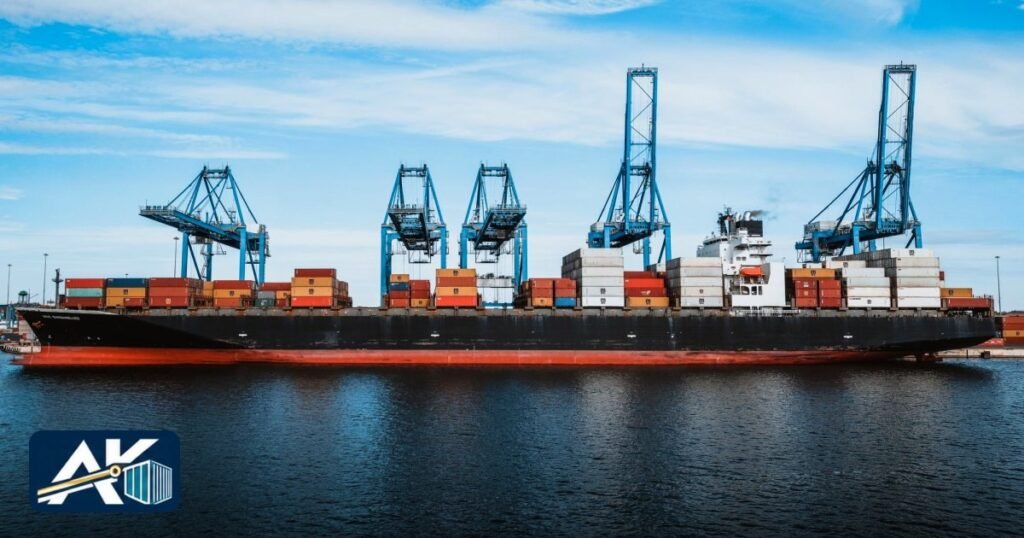
When you decide to transform a standard shipping container into a functional asset, the success of the project hinges on the contractor you choose. In the UAE’s fast‑moving logistics market, a systematic vetting process protects your investment and ensures compliance with local regulations. Below is a practical checklist to guide you through the key stages of contractor selection.
Understanding Your Conversion Scope
Begin by clearly defining the intended use of the container – whether it will serve as a pop‑up office, a refrigerated storage unit, a modular classroom or a specialised workshop. Document the required dimensions, load‑bearing capacity, insulation levels, electrical and plumbing provisions, and any bespoke features such as mezzanine floors or external cladding. A well‑articulated scope helps you compare proposals on an equal footing and reduces the risk of scope creep later in the project.
Consider the operational environment: exposure to coastal humidity, extreme heat, or heavy traffic may dictate additional corrosion‑resistant treatments or reinforced framing. Align the scope with your timeline and budget, noting any critical milestones such as delivery dates for the finished unit or integration with existing site infrastructure.
Finally, outline the performance criteria you expect – for example, energy efficiency standards, fire‑rating classifications, or compliance with UAE civil defence requirements. Having these parameters in writing provides a solid benchmark against which to assess each contractor’s capability.
Evaluating Contractor Experience and Portfolio
Look for contractors who have a proven track record in the UAE’s container conversion market. Request a portfolio that showcases a variety of projects similar in size and complexity to yours. Pay particular attention to completed works that required specialised systems, such as HVAC integration or custom electrical layouts, as these indicate a higher level of technical competence.
When reviewing case studies, verify the dates of completion and, where possible, obtain client references. Speaking directly with past clients can reveal insights into the contractor’s reliability, adherence to schedules, and after‑sales support. A contractor who maintains long‑term relationships with clients often demonstrates a commitment to quality and service.
Assess the contractor’s organisational structure – does it employ in‑house engineers, designers and project managers, or does it rely heavily on subcontractors? An in‑house team typically ensures better coordination and accountability throughout the conversion process.
Reviewing Technical Drawings and Design Standards
Technical drawings are the blueprint of your conversion and must meet recognised design standards. Ensure the contractor provides detailed 2D and, where appropriate, 3D drawings that illustrate structural modifications, insulation layers, mounting points for equipment, and routing of services. These documents should be signed off by a qualified engineer registered with the UAE’s relevant professional bodies.
Compare the contractor’s design approach against recognised standards such as the International Organization for Standardization (ISO) guidelines for container modifications and the UAE Fire and Life Safety Code. Consistency with these standards reduces the likelihood of regulatory setbacks.
| Design Element | Typical Standard | Contractor Requirement |
|---|---|---|
| Structural Reinforcement | ISO 1496‑2 | Engineered calculations and certification |
| Insulation | UAE Climate‑Control Guidelines | R‑value specification and material data sheets |
| Electrical Systems | UAE SHE 2015 | Approved wiring diagrams and load calculations |
| Fire Safety | UAE Fire Code | Fire‑rating of panels and suppression system design |
Ask the contractor to explain any deviations from standard practice and provide justification backed by engineering analysis. Transparent communication at this stage is essential to avoid costly revisions during construction.
Confirming Required Permits and Approvals
In the UAE, container conversions are subject to a series of permits that vary by emirate and the nature of the end use. The contractor should be able to outline the full permit pathway, including building permits from the local municipality, fire safety approvals, and, where applicable, health‑authority clearances for food‑grade or medical facilities.
Verify that the contractor has experience obtaining these approvals and maintains relationships with the relevant authorities. Request copies of previously issued permits for similar projects as evidence of their capability to navigate the regulatory landscape efficiently.
Additionally, ensure the contractor will provide a compliance matrix that maps each design element to the corresponding permit requirement. This matrix serves as a living document throughout the project, helping you track progress and confirm that no critical approval is overlooked before the final handover.
Assessing Health, Safety and Environmental Compliance
Before committing to a conversion contractor, verify that they operate in line with the UAE’s health, safety and environmental (HSE) regulations. Request a copy of their current HSE policy and confirm it references the Federal Law No 8 of 1980 (Occupational Safety and Health) and the relevant Dubai Municipality guidelines for construction sites. A reputable firm will have a documented risk‑assessment process, clearly outlining how they manage hazards such as welding fumes, electrical work and heavy lifting.
Ask to see recent HSE audit reports or certificates from recognised bodies such as the International Safety Management (ISM) system or ISO 45001. These documents should demonstrate that the contractor conducts regular site inspections, maintains incident registers and implements corrective actions promptly. In addition, ensure they have a waste‑management plan that complies with the UAE’s environmental protection standards, particularly for the disposal of metal shavings, paints and solvents.
During a site visit, look for visible safety signs, personal protective equipment (PPE) usage and organised storage of materials. A contractor that prioritises HSE not only protects workers but also reduces the risk of project delays caused by non‑compliance penalties.
Checking Insurance, Warranties and Post‑Completion Support
- Public liability insurance covering at least the minimum limits required by UAE law.
- Professional indemnity insurance that protects against design errors or specification omissions.
- Workers’ compensation coverage for all site personnel.
- Warranty terms that specify the duration and scope of workmanship and material guarantees.
- After‑sales service agreement outlining routine inspections, corrective maintenance and spare‑part supply.
- Clear escalation procedure for any defects identified after handover.
Insist on seeing certificates of insurance that are current and issued by a reputable insurer operating in the UAE. The policy should name AK Container Logistics as an additional insured party, ensuring that any claim arising from the conversion work does not jeopardise your own risk exposure.
Warranties should be documented in writing, with explicit reference to the components covered – for example, structural modifications, electrical installations and interior finishes. A minimum twelve‑month warranty on workmanship is typical, but longer periods may be negotiated for high‑value projects.
Post‑completion support is equally important. Confirm that the contractor offers a maintenance schedule and that they retain the technical drawings needed for future upgrades or repairs. A clear service‑level agreement (SLA) will help you manage expectations and avoid costly disputes.
Final Verdict: Choosing the Right UAE Conversion Partner
When the due‑diligence process is complete, weigh the evidence against your project’s specific requirements. A contractor that demonstrates robust HSE compliance, comprehensive insurance coverage and a transparent warranty framework is fundamentally more reliable. Equally, consider their track record in delivering projects of similar scale and complexity; references from previous clients can provide insight into punctuality, quality of workmanship and responsiveness to after‑sales queries.
Financial stability is another decisive factor. Review audited financial statements or bank references to ensure the firm can sustain the cash flow demands of a conversion that may span several months. A financially sound partner is less likely to encounter interruptions that could delay delivery.
Finally, assess cultural fit and communication clarity. The contractor should be proactive in providing regular progress reports, using clear terminology that aligns with your own operational standards. When all these criteria align, you can confidently award the contract, knowing that the chosen partner will deliver a safe, compliant and durable container conversion that meets AK Container Logistics’ exacting standards.
Frequently Asked Questions
What key documents should I request before hiring a container conversion contractor?
Ask for a detailed scope of works, design drawings, a copy of relevant permits, insurance certificates and a warranty statement.
How can I verify a contractor’s experience with similar projects?
Review their portfolio for comparable conversions, request client references and check any industry affiliations or certifications.
What permits are typically required for container conversions in the UAE?
Common permits include building approval from the local municipality, fire safety clearance and, where applicable, electrical and plumbing permits.
Why is insurance important when selecting a conversion contractor?
Insurance protects you against damage, injury or delays; ensure the contractor holds public liability and workers’ compensation coverage.
What red flags indicate a contractor may not be reliable?
Unclear scope, missing permits, lack of references, inadequate insurance and refusal to provide written warranties are warning signs.
← All container insights