
Insights
Shipping Container Rust: Cosmetic Wear vs Structural
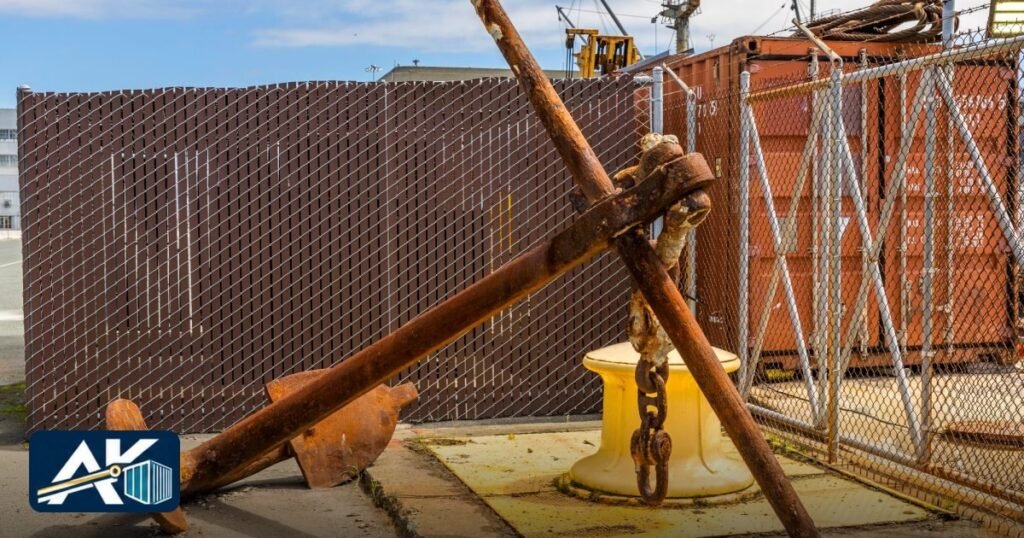
Almost every used shipping container shows some rust, because corrugated steel spends its working life in salt air, rain and port yards. The practical question for a buyer is not whether rust exists but what kind it is and where it sits. This guide explains how to tell harmless cosmetic wear from structural problems, so you can inspect with confidence and negotiate on facts.
Why shipping containers rust in the first place
Standard containers are made from weathering steel, often called Corten, with a protective paint system. The steel is designed to form a stable oxide layer, but it still corrodes when moisture, salt and trapped dirt stay in contact with it. Several conditions speed that up.
- Sea air and salt spray: chlorides settle on the steel and accelerate corrosion, especially along coasts and during sea transport.
- Paint damage: scrapes from forklifts, lashing gear, stacking and handling remove coatings and expose bare steel.
- Standing water: pools on roofs, trapped in corrugation valleys, or lying against the base can hold moisture against metal for long periods.
- Condensation: inside a closed container, temperature swings create condensation on the roof and walls, which can cause rust from the inside out.
- Residues from cargo: some cargoes, such as chemicals or wet loads, leave residues that attack paint and steel.
Age and repair history matter too. A container that has been repainted regularly and kept off wet ground will usually carry less serious corrosion than one that sat untreated in a coastal yard. This is why a sound inspection looks at the whole container rather than a single photograph.
Cosmetic rust affects appearance, not performance
Cosmetic rust stays on the surface. It does not reduce the load-carrying capacity of the steel or the weather tightness of the box. Buyers see it constantly and it is acceptable on many used grades, provided it is properly assessed.
What cosmetic rust looks like
Surface rust appears as light orange or brown discolouration, often in patches where paint has worn off or around edges and fasteners. The steel underneath still feels solid. Rust spreads across the paint as a film or small spots and can usually be removed with a wire brush, leaving smooth metal. Paint bubbling or blistering with rust underneath is still generally surface level, if there is no scaling or pitting.
Where cosmetic rust is usually acceptable
Wall panels, door panels and the top of the roof often show surface rust that does not affect function. For a container intended for static storage, light cosmetic rust can be a fair trade for a lower price, since the box will do its job. It can still be treated and repainted if appearance matters to you. For a closer look at how grades describe appearance versus function, see the explanation of condition grades and inspection standards.
Simple tests for surface rust
Brush the area with a stiff wire brush. If the rust comes away and the steel beneath is smooth, firm and even in thickness, it is surface rust. Tap it with a hammer or the handle of a screwdriver: sound steel gives a ringing, solid response. A dull thud, flaking in layers or a soft spot is a warning sign that needs closer attention.
Structural rust threatens strength and safety
Structural rust has eaten into steel that carries load or keeps the container sealed. This kind of damage can make a container unsafe to stack, lift or ship and can allow water in. It is the reason inspection standards exist.
The parts that count most
A container’s strength comes from its frame. Check these areas carefully:
- Corner posts and corner castings: they carry the stacking load and the lifting points. Corrosion, cracks or deformation here are serious.
- Bottom side rails and cross members: they support the floor and the cargo weight. Heavy corrosion or holes weaken the base.
- Door frame and header: rust here can stop the doors sealing and compromise structural rigidity.
- Roof and top rails: rust-through lets rain in and can indicate long-term water pooling.
- Floor: corrosion from beneath, softened timber or rust-through affects safe loading.
Signs that rust has become structural
Look for scaling or flaking steel that breaks away in layers, pitting that forms visible craters, holes or thin edges that can be pushed through, seams opening at welds, and distortion alongside corrosion. Rust that has swelled and lifted paint in thick, rough blisters often means the metal underneath has lost thickness. Where in doubt, treat the area as structural until a competent person says otherwise.
How to compare cosmetic and structural rust at a glance
The table below summarises the differences you can check during a visual inspection. It is a guide, not a substitute for a qualified surveyor’s judgment.
| Feature | Cosmetic rust | Structural rust |
|---|---|---|
| Appearance | Light orange film or small patches on paint | Thick scale, flaking layers, deep pitting |
| Steel beneath | Solid and smooth after brushing | Thinned, rough or perforated |
| Typical location | Wall panels, door panels, roof surface | Corner posts, castings, rails, cross members, floor |
| Tap test | Clear, solid sound | Dull thud or soft spots |
| Weather tightness | Unaffected, no daylight inside | Holes, open seams, daylight or leaks |
| Usual remedy | Clean, treat and repaint | Cut-out repair or reject, as advised by a surveyor |
| Effect on use | Mainly appearance | Safety, stacking, lifting and cargo protection |
How to inspect a container for rust before you buy
A careful inspection takes time but prevents expensive mistakes. If you cannot attend in person, ask for an independent inspector or detailed, dated photographs and video.
Inspect the outside
Walk around the container and check each side, the corner castings and the roof. Look at the underside, especially the bottom rails and cross members, because corrosion often starts where it is hardest to see. Check the door gaskets and locking bars for rust that stops them moving freely.
Inspect the inside
Step inside, close the doors and look for pinpoints of light. Daylight means holes or failed seals. Check the floor for soft or stained patches and the lower walls for scaling. Smell can also tell you something: a strong musty odour suggests long-term moisture.
Use this inspection checklist
- Check the CSC plate is present, legible and consistent with the container’s records.
- Inspect every corner post and every corner casting for corrosion, cracks or damage.
- Examine bottom side rails and cross members from underneath.
- Close the doors from inside and look for daylight at the roof, walls, floor and seals.
- Brush-test and tap-test any rusted areas, and photograph them with a reference object for scale.
- Press on the floor in several places to find soft timber or rust-through.
- Confirm in writing what grade the seller is offering and what rust they consider acceptable.
For buyers who cannot visit, it also helps to read how a supplier describes its grades and what it will photograph before sending the box. Our guide to buying shipping containers covers typical questions to ask.
Repair, treat or walk away: how to decide
Once you know what kind of rust you are dealing with, the decision follows a simple logic.
Treat and repaint cosmetic rust
Remove loose rust with a wire brush or grinder, clean the surface, apply a rust-converting or primer coat, and finish with a marine-grade or suitable industrial paint. Treating early prevents spread and is inexpensive compared with repairs later. Keep drainage clear and avoid standing the container directly on wet ground.
Repair localised damage with care
Small areas of corroded panel can be cut out and replaced with new steel by a competent welder. Repairs on the primary structure are different: corner posts, castings and rails need to meet the container’s original strength, so only a qualified repairer or surveyor should decide whether repair is suitable. A container that will be lifted, stacked or shipped again must remain within its safety rules, and repairs may affect its certification status. Ask what applies.
Walk away when the frame is compromised
If corner posts, castings or primary rails are significantly corroded, or the floor and roof are perforated widely, the box is rarely worth buying for transport. It might still suit non-structural use at a very low price, but only if you accept the risks and have the damage described in writing. When rust is unclear, ask for a second opinion before you commit.
Matching rust levels to your intended use
The right answer depends on what the container will do. A box with moderate cosmetic wear may be a smart purchase for fixed storage, while the same box would be unsuitable for repeated ocean shipping.
- Ocean shipping and stacking: demands sound structure, valid certification and no meaningful corrosion on the frame. Treat visible structural rust as a deal-breaker.
- Static storage: tolerates more cosmetic wear, but still needs a watertight roof, working doors and a sound floor.
- Conversions: offices, shops and modular builds need a sound frame and clean steel for cutting, insulating and painting. Heavy corrosion adds preparation work, so consider this when judging a storage or conversion project.
- Leasing: leased units are usually expected to meet a defined condition standard, so check what the lessor considers acceptable on return.
The verdict is straightforward. Cosmetic rust on panels is normal and usually a pricing matter; structural rust on the frame, floor or roof is a safety and sealing matter. Inspect the right areas, test what you see, and get condition promises in writing. If you want help matching a container grade to your use, you can request a container quote and ask the team to confirm the condition details before you commit.
Frequently Asked Questions
Is surface rust on a shipping container a problem?
Usually not. Light surface rust on panels is common on used containers and is often cosmetic if the steel beneath is sound and the surface can be treated. The concern starts when rust has produced scaling, holes or weakened steel in structural parts.
Which parts of a container matter most for structural rust?
Corner posts, corner castings, bottom side rails, cross members and the door frame matter most because they carry stacking and lifting loads. Rust through the floor or roof also affects weather tightness and cargo safety.
Can a rusty container still be wind and watertight?
Yes, if the rust is superficial and there are no holes, open seams or failed door seals. A proper inspection from inside with the doors closed, looking for daylight, is the standard way to check.
Can rust damage be repaired?
Light rust can be cleaned, treated and repainted. Localised damage may be repaired by cutting out and welding in new steel, but damage to primary structure needs a qualified surveyor to decide whether repair is acceptable.
What should I ask a seller about rust before buying?
Ask for dated photos of every side, the roof, the underside and the interior, the stated grade, and the CSC plate details. Where possible, arrange an independent inspection before payment, and ask in writing what the seller counts as acceptable rust.
← All container insights