
Insights
Open Top vs Hard Top Container: Key Differences Explained
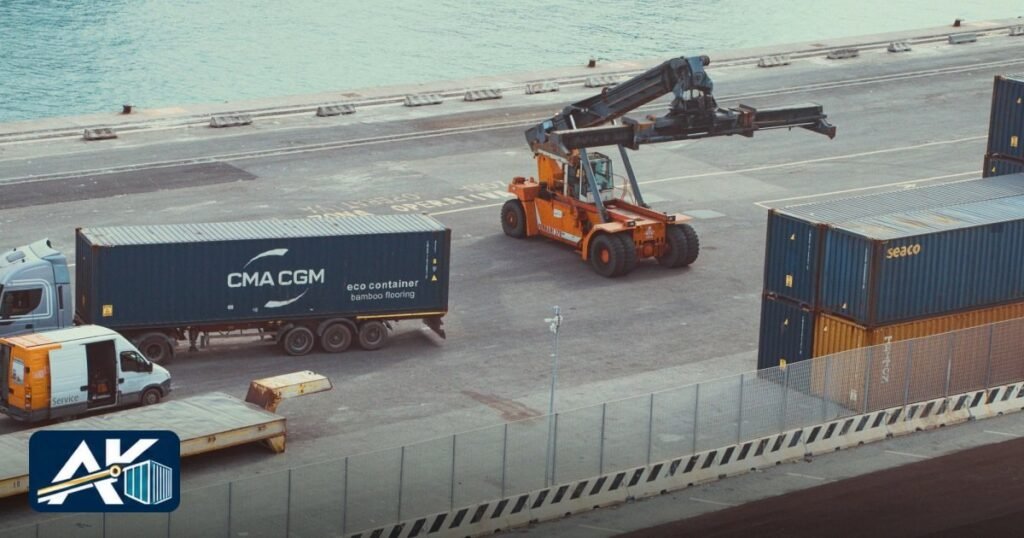
When selecting a container for specialised cargo, the choice between an open top and a hard top container can have a material impact on handling, protection and cost. Both formats belong to the standard 20‑ft and 40‑ft ISO pool, yet their structural nuances dictate distinct operational practices. Understanding these differences helps shippers optimise load efficiency while safeguarding goods throughout the supply chain.
Understanding Open Top and Hard Top Containers
An open top container features a removable canvas or steel tarpaulin roof, secured with a robust frame that can be lifted off using a crane. This design provides vertical clearance above the container walls, allowing oversized items to be loaded from the top. In contrast, a hard top container—often referred to as a standard dry container—has a fixed, rigid steel roof and solid sidewalls, creating a sealed enclosure that protects cargo from weather and pilferage.
Both container types comply with ISO 668 dimensions, ensuring they can be stacked on ships, trains and trucks without modification. The primary distinction lies in the roof mechanism: the open top’s removable cover versus the hard top’s permanent steel panel. Consequently, open tops are typically fitted with reinforced corner posts and a reinforced frame to bear the weight of the removable roof, while hard tops rely on the continuous steel shell for structural integrity.
From a regulatory perspective, both container classes meet the International Convention for Safe Containers (CSC) requirements, but operators must ensure the open top’s tarpaulin is correctly tensioned and secured before transit to avoid cargo exposure.
Structural Design and Build Features
| Feature | Open Top Container | Hard Top Container |
|---|---|---|
| Roof | Removable canvas or steel tarpaulin, secured with bolts and tensioning bars | Fixed steel roof panel, welded to sidewalls |
| Sidewalls | Standard steel panels with reinforced top frame | Continuous steel panels, fully welded joints |
| Loading Height | Typically 2.5 m clearance above sidewalls | Limited to internal height of 2.39 m |
| Weather Protection | Depends on condition of tarpaulin; vulnerable to tears | Fully sealed, water‑tight |
| Weight | Slightly heavier due to additional framing | Standard tare weight |
The open top’s removable roof necessitates a reinforced upper frame, often comprising steel cross‑beams and bolted brackets. These components distribute the load of the roof and any lifting equipment, preventing deformation of the sidewalls during handling. Hard top containers, by virtue of their monolithic steel construction, benefit from a uniform load path that enhances stacking strength and reduces maintenance requirements.
Both container types incorporate corner castings that conform to ISO 1161 standards, enabling secure attachment to twist‑locks on ships and trucks. However, the open top’s corner castings are sometimes reinforced to accommodate the additional stresses imposed by the removable roof during crane operations.
From a durability standpoint, the hard top’s sealed shell offers superior resistance to corrosion and mechanical impact, while the open top’s canvas may require periodic inspection for UV degradation, especially in regions with intense sunlight.
Typical Cargo Types and Loading Methods
Open top containers excel when the cargo exceeds the internal height of a standard dry container or when loading from above is more practical. Common cargo includes bulky machinery, timber logs, steel coils, and large‑diameter pipes. Because the roof can be lifted, these items are often loaded using a crane or forklift with a spreader bar, allowing the load to be positioned directly over the container floor.
Hard top containers are the go‑to solution for goods that demand protection from moisture, dust and theft. Typical cargoes encompass consumer electronics, textiles, packaged foods and finished metal components. Loading is performed through the rear doors using pallet trucks or reach stackers, enabling rapid turn‑around in high‑throughput terminals.
When handling hazardous materials, both container types must comply with the International Maritime Dangerous Goods (IMDG) Code, but the hard top’s sealed environment is generally preferred for substances that are sensitive to moisture or temperature fluctuations. Conversely, open tops are sometimes used for bulk commodities such as aggregates or scrap metal, where exposure to the elements is acceptable and the ability to load from the top speeds up the loading cycle.
In practice, shippers often assess the cargo’s dimensions, weight distribution and environmental sensitivity before deciding which container offers the most efficient and cost‑effective solution.
Advantages and Limitations of Open Top Containers
Among the chief advantages of open top containers is their flexibility. The removable roof permits the transport of oversized or irregularly shaped items that would otherwise be impossible to fit into a hard top container. This flexibility can reduce the need for specialised flat‑rack containers, translating into lower charter rates and simplified inventory management.
- Easy top‑loading reduces handling time for bulky cargo.
- Reinforced frame provides additional strength for heavy loads.
- Can be fitted with a hard‑top conversion if weather protection becomes necessary.
However, the design also introduces limitations. The reliance on a canvas or tarpaulin roof means that weather protection is contingent on the material’s condition; tears or improper tension can expose cargo to rain or wind. The open top also requires additional securing measures—such as straps or braces—to prevent cargo shift during transit, especially on sea voyages where vessel motion is pronounced.
From an operational perspective, open top containers may incur higher handling charges at ports because the roof must be removed and re‑installed, often requiring crane time. Moreover, the increased height clearance can restrict stacking on certain vessels or in warehouses with low overheads, potentially affecting cargo density.
Overall, the decision to employ an open top container should balance the need for dimensional freedom against the added logistical considerations of weather exposure, handling costs and stacking constraints.
Advantages and Limitations of Hard Top Containers
Hard top containers—commonly referred to as standard dry containers—provide a fully enclosed, weather‑proof environment that protects cargo from rain, wind and dust. The rigid steel walls and roof also add structural strength, making these units suitable for stacking up to seven or eight levels in a container yard without compromising stability. Because the doors seal tightly, they are ideal for transporting goods that require a controlled atmosphere, such as textiles, electronics, packaged foods and finished machinery.
However, the same sealed design that offers protection can become a drawback when handling oversized or irregularly shaped loads. The fixed dimensions (typically 2.4 m wide, 2.6 m high and either 6 m, 12 m or 40 m long) limit the height of cargo that can be loaded, and the side walls prevent the use of forklifts or cranes that need to lift items from above the container. For projects that involve bulky timber, steel coils or large machinery components, a hard top container may require additional internal bracing or even a specialised pallet, which adds handling time and cost.
In summary, hard top containers excel where security, moisture protection and high stacking are priorities, but they are less flexible for cargo that exceeds the internal envelope or needs top‑down loading.
Cost, Availability and Maintenance Considerations
From a financial perspective, hard top containers are generally the most cost‑effective option in the market. Their simple construction means that purchase or lease rates are lower than those of specialised units such as open tops, refrigerated boxes or container conversions. Because they are the most common type, the secondary market offers a steady supply, and lead times for new builds are typically short.
- Purchase price: lower than specialised containers
- Lease rates: competitive, with flexible term options
- Availability: high, both new and used stock
- Maintenance: minimal—regular cleaning and periodic rust checks suffice
- Resale value: strong due to broad demand
Maintenance for hard top containers is straightforward. The steel panels are designed to resist corrosion, and routine inspections focus on checking door seals, corner castings and the roof panel for dents or rust. Repairs are usually limited to patching small dents or replacing worn gaskets, tasks that can be performed by most container service providers. Because there are no moving roof mechanisms, the risk of mechanical failure is virtually nil, further reducing long‑term operating costs.
Verdict: Which Container Suits Your Shipping Needs
Choosing between an open top and a hard top container hinges on the nature of the cargo and the handling infrastructure at both origin and destination. If your freight consists of standard palletised goods, finished products or items that must remain dry, the hard top container is the logical choice. Its lower acquisition cost, widespread availability and minimal upkeep make it the default solution for most B2B supply chains.
Conversely, when you need to transport over‑height loads—such as construction steel, large machinery, or bulk agricultural products—the open top container offers the necessary vertical clearance and the ability to load from above using cranes or gantries. While the open design incurs a modest premium and requires additional tarpaulin protection, it eliminates the need for costly cargo disassembly.
In practice, many shippers adopt a mixed fleet: hard tops for routine, moisture‑sensitive shipments and open tops for occasional oversized consignments. Assess the dimensions of your heaviest load, the availability of loading equipment, and the importance of weather protection to determine the most efficient container type for each shipment.
Frequently Asked Questions
What cargo is best suited for an open top container?
Open top containers are ideal for oversized or irregularly shaped goods such as machinery, timber, and bulk materials that need top loading with a removable canvas cover.
Can a hard top container be converted to an open top container?
While conversion is technically possible, it requires structural modifications and certification, so it is usually more practical to select the appropriate container type from the start.
How does weather protection differ between open top and hard top containers?
Hard top containers provide full enclosure against rain, wind and dust, whereas open top containers rely on a tarpaulin cover that offers limited protection and must be secured properly.
Are there any loading equipment restrictions for open top containers?
Open top containers can be loaded using cranes or forklifts from the top, but they cannot be stacked with heavy loads on the roof without risking damage to the canvas cover.
Which container type is more cost‑effective for regular shipments?
Hard top containers generally have lower long‑term costs due to their durability and lower maintenance, while open top containers may be more economical for occasional transport of oversized items.
← All container insights