
Insights
Reefer Container Basics: Uses, PTI and Power Needs
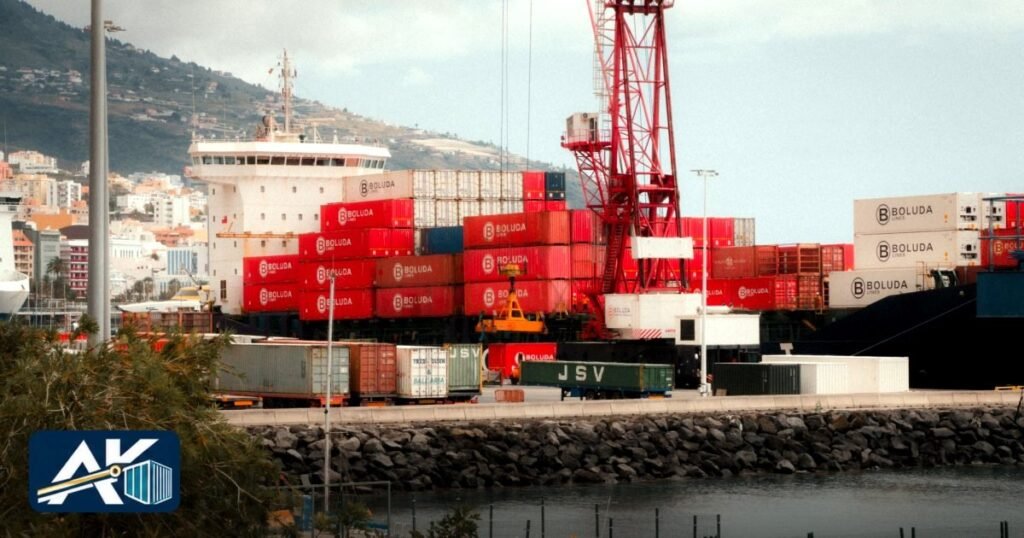
A reefer container is a shipping container built to keep cargo cold, and it is the backbone of international trade in perishable goods. For a buyer, the questions are practical: what does it do, how do you know it works, and what power does it need? This guide covers the reefer container basics that matter before you request a quote.
A reefer is an insulated container with its own refrigeration unit
A standard dry container is a steel box that protects cargo from weather but does nothing to control temperature. A reefer adds two things: insulated walls, floor and doors, and a refrigeration unit mounted at the front of the box. The unit pulls air through the cargo space and holds it at the set temperature.
Most reefers are built to the same external dimensions as standard containers, which is why they fit the same ships, trailers, cranes and stacking systems. Common sizes are the twenty-foot and forty-foot formats, with high-cube versions offering extra internal height.
Inside, the floor is usually a T-shaped aluminium or steel profile. This lets air circulate underneath the cargo, which is what keeps temperatures even through the load. Loading cargo so that it blocks this airflow is one of the most common causes of spoilage.
In short, a reefer combines insulated walls, roof, floor and doors to limit heat gain, a refrigeration unit that cools (and in some models also heats) the air, a T-floor that carries air flow beneath the load, and sensors and a controller that record and hold the set point.
Reefers serve far more than fresh food
Fresh fruit and vegetables, frozen meat and fish, and dairy are the best-known cargoes. Pharmaceuticals and some chemicals also need controlled temperatures, and so do certain flowers, cosmetics and laboratory materials.
Off the water, reefers have a second life. Buyers use them as temporary cold rooms for catering, events, farms and retail stock. A unit that is no longer suited to ocean voyages can still serve well as a fixed cold store, provided it is inspected and connected to suitable power.
The right temperature depends on the cargo. Chilled goods and frozen goods call for very different set points, and some produce is damaged by being too cold. Your shipper, supplier or the product’s own handling guidance should set the temperature, not the container.
Pre-trip inspection protects the cargo before it is loaded
PTI, or pre-trip inspection, is a structured check carried out on a reefer before cargo goes in. It exists because a refrigeration fault found at sea cannot be repaired, and the cargo is usually lost. A PTI proves that the unit can reach and hold temperature while the box is still at the depot.
A typical PTI covers the visual condition of the container, the operation of the unit and the accuracy of its controls. The unit is powered up, run through its modes and checked for alarms.
The checks usually include the following
The inspector looks at the container body, door seals and drain points for damage or leaks. They run the unit to confirm it cools and, where fitted, heats correctly, and they check that the sensors read accurately and the controller records data. Fans, coils and evaporator areas are checked for blockage, and the unit’s alarms and event log are reviewed.
A PTI record is worth keeping
Ask for the PTI result in writing when buying or leasing. It gives you evidence of the unit’s state on a given date and helps resolve disputes if cargo is later damaged. Our quality and condition standards page explains how we describe container grades and inspection.
Power is the main practical constraint
A reefer is only as good as its electricity supply. The refrigeration unit must run continuously, and an interruption of power for long enough will warm the cargo. This applies at every stage of the journey and on site.
On a vessel and at a port terminal, reefers are connected to dedicated reefer plugs. In depots, on rail and on trucks, power comes from the site grid or a generator set that attaches to the container or the chassis. When a reefer is used as a cold store on your premises, you must provide a compatible connection.
Check the electrical specification before you buy
Different units are designed for different supply requirements, including voltage, phase and plug type. The data plate on the container or the manufacturer’s documents give the exact specification. Do not assume that a standard site socket will do. If you are unsure, ask an electrician to confirm the supply and protection needed before delivery.
Plan for backup and monitoring
For valuable cargo, consider a backup generator and an alarm that tells you when power or temperature moves out of range. Even a short outage matters for pharmaceuticals and frozen goods, so backup is not a luxury in those cases.
Load and transport the cargo with care
Even a perfect unit can fail if the cargo is poorly loaded. Pre-cool the container before loading, keep goods within the load line and leave air gaps so that cold air can circulate. Never block the air outlets or the return air path.
For transport, confirm that the depot, trucker and terminal can all supply power and that the handover times are realistic. Delays at a port or gate are a common cause of temperature excursions. Our transport and logistics page covers the practical side of moving containers. Keep the temperature records, the PTI report and the bill of lading together, because insurers and buyers may ask for them if there is a claim.
Compare the main types of reefer before you choose
Not every reefer is the same. The table below sets out how the main options differ so you can match the box to your use.
| Option | Best suited to | Main consideration |
|---|---|---|
| Standard reefer | General chilled or frozen cargo on ocean routes | Needs a continuous power supply at every stage |
| High-cube reefer | Bulky but light cargo needing extra height | Check clearance for transport and any site doors |
| Used reefer | Cold storage on site and cost-conscious buyers | Needs a PTI and a review of service history |
| Newer or low-use reefer | Long-term ocean shipping of sensitive goods | Higher purchase cost but fewer condition risks |
Buying and leasing a reefer involve different risks
Leasing makes sense when your need is seasonal, uncertain or short-term. The refrigeration equipment stays the lessor’s responsibility in many arrangements, and you avoid tying up capital. Review who pays for repairs and what happens if the unit fails during the term. Our container leasing page outlines the options.
Buying suits regular, long-term use. You control maintenance and can adapt the unit, but you also carry the cost and risk of repairs. When you buy containers, the quality of the refrigeration unit matters as much as the condition of the steel.
Questions to ask the seller
Ask for the unit’s make and model, service history and the date and result of its latest PTI. Ask what refrigerant it uses, because regulations and servicing availability can vary by region. Request photographs of the box and the unit, and confirm what documentation travels with it.
Verdict: inspect first, plan the power, then decide on buy or lease
The three issues that decide a reefer purchase are the condition of the refrigeration unit, a documented pre-trip inspection and a secure power supply. If any of these is uncertain, the risk lands on your cargo. Buyers who ask for the service history and PTI record, and who confirm the electrical specification early, avoid most of the problems that make reefers seem difficult.
- Confirm the cargo’s required temperature with your supplier or shipper.
- Request the unit’s make, model, service history and latest PTI result.
- Confirm voltage, phase and plug type against your power source.
- Decide whether leasing or buying fits how often you will use the unit.
- Plan for backup power and temperature monitoring if the cargo is valuable.
- Agree who is responsible for repairs and servicing.
When you are ready to compare units, contact our team and we will help you match a reefer to your cargo and your site.
Frequently Asked Questions
What is a reefer container?
A reefer is an insulated shipping container with a built-in refrigeration unit that holds cargo at a set temperature. It is used for goods such as fresh produce, dairy, meat, pharmaceuticals and other temperature-sensitive products.
What does PTI mean for a reefer container?
PTI stands for pre-trip inspection. It is a check of the refrigeration unit, temperature control, sensors and container condition carried out before cargo is loaded, so that faults are found before the box leaves the depot.
What power does a reefer container need?
A reefer needs a continuous electrical supply to run its refrigeration unit. On a vessel and at a terminal this comes from reefer plugs, and on land from a mains connection or a generator set sized for the unit's requirements. Always confirm the exact electrical specification with the unit's data plate or manufacturer.
Can a reefer container be used as a cold store?
Yes, many buyers place a reefer on site as a temporary or semi-permanent cold room. It must be connected to a reliable power supply, and the unit should be serviced and inspected before use.
Is it better to buy or lease a reefer container?
Leasing suits seasonal or short-term needs and avoids ownership of the refrigeration equipment. Buying makes sense for long-term, regular use where you can manage maintenance and servicing yourself.
← All container insights