
Insights
Temperature Controlled Shipping: Reefer or Insulated?
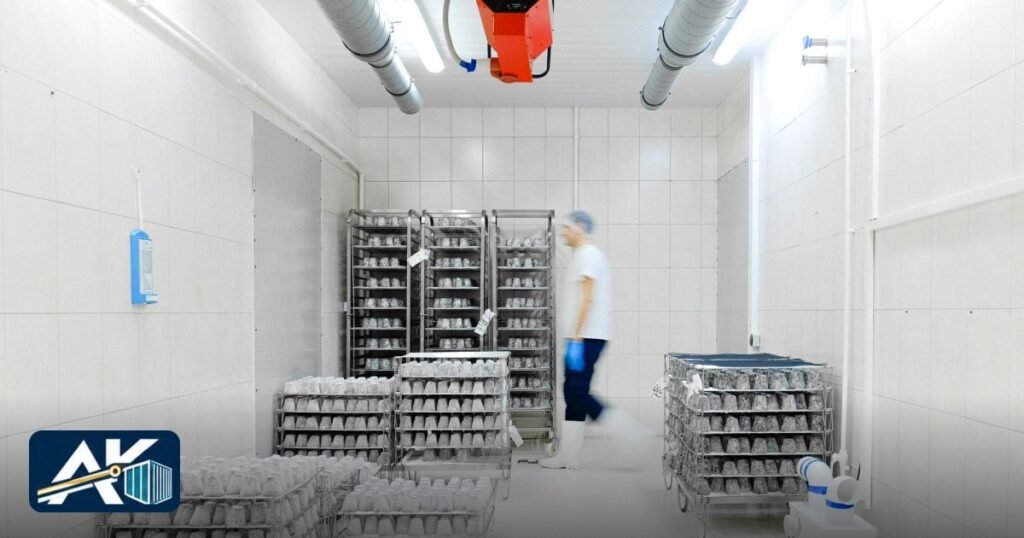
Not every cargo can travel in a plain steel box. Food, medicines, flowers and some chemicals lose value quickly when heat or cold moves outside a safe range. Temperature controlled shipping gives you two broad container options, reefer and insulated, and choosing between them depends on cargo sensitivity, route, duration and the power you can rely on along the way.
What is the difference between reefer and insulated containers?
A reefer container is a refrigerated unit with its own cooling machinery built into the front wall. It can hold a chosen temperature by actively removing heat, and in many designs it can also warm the cargo space when needed. The interior is lined and sealed, and the floor is shaped to circulate air around the load.
An insulated container has thermal walls but no powered cooling. It slows the movement of heat in or out, which can protect cargo that needs a stable environment for a limited period, but it cannot lower the temperature or correct drift once the cargo is inside.
This single difference, active control versus passive protection, drives most of the other decisions: cost, power needs, handling, inspection and the type of cargo that is safe to carry.
Which cargo needs a reefer, and which can use insulation?
Start from the product, not the equipment. Ask what temperature range the cargo tolerates, how quickly it spoils or degrades outside that range, and what regulations or customer contracts apply to it.
Cargo that usually calls for a reefer includes:
- Fresh produce, meat, fish and dairy with defined temperature requirements.
- Frozen goods that must stay frozen for the whole journey.
- Pharmaceutical and medical products with strict handling instructions.
- High-value products such as flowers or chocolate that are sensitive to heat.
Insulated options are more often considered for cargo that tolerates small variations, for short routes, or where the cargo is already at its target temperature and needs protection from outside heat or cold. They are also sometimes used for storage where electricity is limited. Always check the product specification and any buyer requirements before assuming insulation is enough.
How do power, monitoring and handling differ?
A reefer is only as reliable as its power supply. It needs electricity on the vessel, at the terminal, on the truck and at the destination. Where grid power is not available, a clip-on or under-slung generator is often used, and each change of power source is a point where temperature can slip if it is not planned and monitored.
Because of this, most reefer shipments use temperature recording and alarms, and the shipper agrees a set-point and a record of the journey with the carrier. Handling matters too: loading must leave space for air circulation, and cargo should reach the container at the correct temperature, because a reefer is designed to maintain temperature rather than to cool warm goods quickly.
Insulated containers need none of this machinery, which makes them simpler to move and store, but there is also no alarm, no correction and no control if conditions change. Their reliability depends entirely on the route, the weather and the time spent in transit.
What should you inspect when buying or leasing a reefer?
A reefer is a more complex asset than a standard container because it combines a steel box with refrigeration equipment. When buying or leasing, inspect both sides. On the box, check the floor, interior lining, door seals and walls for damage that affects air flow or insulation. On the machine, ask for service records, check that the unit starts, holds its set-point and runs without unusual noise or alarms.
Ask whether a pre-trip inspection has been carried out and what the test results showed. Our guide to what to check before you buy explains condition descriptions and how they apply, and the buying page shows how to request a specification and quote.
For insulated units, inspect the lining and seals closely. Damaged insulation or worn door gaskets can undo the benefit of the whole design.
How do buying and leasing compare for temperature controlled units?
The right commercial model depends on usage. A business that ships perishables every week may justify buying or long-term leasing, while one that ships only in one season may prefer short-term hire to avoid paying to store and maintain equipment in the off-season.
Ownership brings responsibility for servicing, repairs, and the refrigeration unit’s condition over time. Leasing may shift part of this to the supplier but sets conditions on modification, return state and use. Read what is included, particularly who handles faults on the refrigeration unit during a journey. You can review the options on our container leasing page.
Whichever route you choose, confirm the paperwork. Standards and documentation such as the container’s identification and safety plate, and shipping documents such as the bill of lading, should match the unit and the cargo.
| Feature | Reefer container | Insulated container |
|---|---|---|
| Cooling | Active refrigeration with set-point control | None; passive insulation only |
| Power needed | Continuous supply throughout the journey | None |
| Best for | Sensitive, long-distance or regulated cargo | Short trips and tolerant cargo |
| Monitoring | Temperature recording and alarms are common | Usually limited or add-on loggers |
| Upkeep | Refrigeration servicing and inspection | Check lining and seals |
Verdict: how should you choose?
Choose a reefer when the cargo is valuable, perishable or regulated, when the journey is long or uncertain, and when you can guarantee power and monitoring at each stage. Consider insulation when the cargo is tolerant, the trip is short and the risk from temperature drift is low, accepting that no control is available if conditions change.
Before deciding, write down the required temperature range, expected transit time, power sources at each point and how you will verify the temperature on arrival. Then compare equipment against that checklist, including the planning refrigerated transport and logistics considerations. For help matching a unit to a route, contact our team to request a quote.
Frequently Asked Questions
What is the main difference between a reefer and an insulated container?
A reefer has its own refrigeration unit that actively cools and controls temperature, while an insulated container only slows heat transfer and has no powered cooling. The right choice depends on how sensitive your cargo is and how long it will be in transit.
Does a reefer container always need a power supply?
Yes, the refrigeration unit needs power throughout the journey and while it is stored. That usually comes from a vessel or terminal supply, a clip-on generator or a site connection, so power must be planned at every stage.
Can an insulated container carry perishable food?
Only if the journey is short and the cargo tolerates modest temperature drift. For cargo that must stay within a tight range over a long voyage, an actively cooled reefer is normally the safer choice.
Should I buy or lease a reefer container?
Leasing suits seasonal or occasional shipments, while buying suits regular use or a fixed storage role. Compare how often you will need the unit, the servicing involved and who is responsible for the refrigeration equipment.
What should I inspect before accepting a used reefer?
Check the refrigeration unit, the condition of the floor and interior lining, door seals and the service history. A pre-trip inspection and a test run under power are standard ways to confirm the unit performs as described.
← All container insights