
Insights
Shipping Container Tare Weight, Payload & Max Gross Weight Explained
Understanding the weight specifications of a shipping container is essential for anyone involved in global trade, whether you are leasing, buying, or converting containers for specialised use. The three key figures – tare weight, payload and maximum gross weight – determine how much cargo you can safely transport and ensure compliance with road and rail regulations.
What Is Tare Weight and Why It Matters
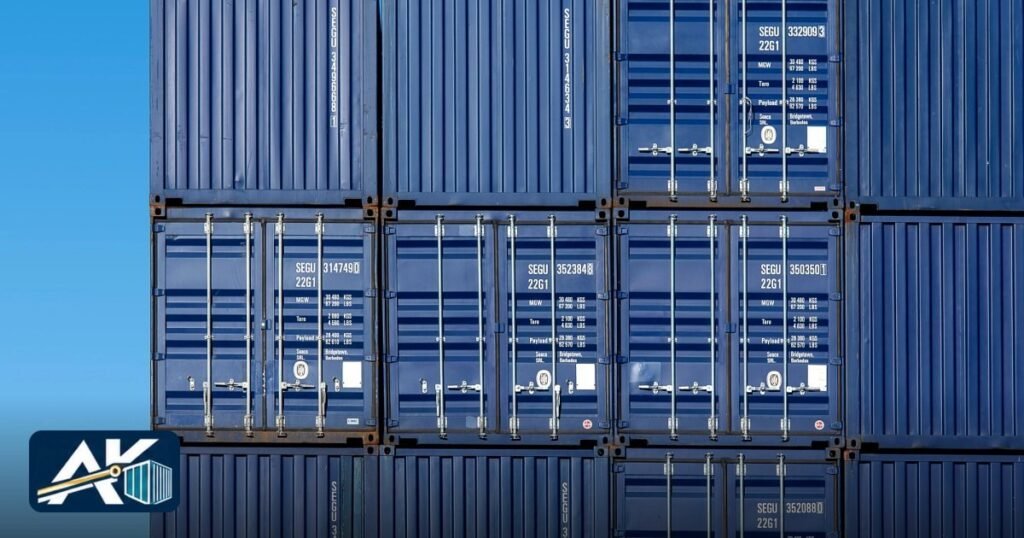
Tare weight is the mass of an empty container, measured in kilograms or tonnes, and is stamped on the container’s door or side panel. It includes the steel frame, flooring, doors, fittings and any built‑in accessories such as ventilation or insulation. Knowing the tare weight is the first step in calculating how much cargo a container can carry without exceeding its design limits.
From a logistical perspective, tare weight influences several operational decisions:
- Load planning: Operators must subtract tare from the maximum gross weight to determine the allowable payload.
- Transport compliance: Road and rail authorities enforce weight limits based on the combined weight of the container and its load. Exceeding these limits can result in fines or the need for additional permits.
- Fuel efficiency: Heavier containers, even when empty, increase fuel consumption on trucks and vessels, affecting overall shipping costs.
Standard 20‑foot dry containers typically have a tare weight of around 2,200 kg, while 40‑foot equivalents are usually near 3,800 kg. These figures can vary slightly depending on the container’s construction material and any specialised modifications.
Defining Payload: How Much Can You Load?
Payload, often referred to as the container’s “payload capacity,” is the maximum weight of cargo that can be safely loaded into the container. It is calculated by subtracting the tare weight from the container’s maximum gross weight (MGW). The resulting figure represents the usable load‑bearing capacity.
When planning shipments, consider the following factors that affect payload utilisation:
- Cargo density: Heavy, low‑volume goods (e.g., metal parts) may reach the payload limit before the container is fully filled, whereas light, bulky items (e.g., textiles) may fill the container’s volume before reaching the weight limit.
- Weight distribution: Evenly spreading the load helps maintain stability during handling and transport, reducing the risk of damage.
- Regulatory constraints: Certain jurisdictions impose stricter axle‑weight limits, which may effectively reduce the usable payload for road transport.
For a typical 40‑foot dry container with an MGW of 30,480 kg and a tare of 3,800 kg, the payload is approximately 26,680 kg. This figure provides a clear benchmark for shippers to assess whether their cargo will fit within both weight and volume constraints.
Maximum Gross Weight: The Legal Limit
Maximum gross weight (MGW) is the total permissible weight of a container when fully loaded, including the tare weight and the payload. International standards, such as those set by the International Organization for Standardisation (ISO), define MGW limits for different container sizes and types. These limits are reflected on the container’s identification plate and must be adhered to throughout the supply chain.
Key points regarding MGW:
- Safety compliance: Exceeding MGW can compromise the structural integrity of the container, leading to deformation or failure during handling.
- Transport regulations: Road, rail and maritime authorities enforce MGW limits to protect infrastructure and ensure safe manoeuvring. Over‑weight containers may require special permits or additional equipment.
- Insurance considerations: Many insurers stipulate that shipments must remain within the container’s MGW; otherwise, claims for loss or damage may be voided.
Typical MGW values are 24,000 kg for a 20‑foot container and 30,480 kg for a 40‑foot container, though some high‑cube or reinforced designs may carry slightly higher limits. Always verify the specific MGW printed on the container you intend to use.
How Tare, Payload and Gross Weight Interrelate
The three weight specifications form a simple arithmetic relationship that underpins safe container utilisation:
| Parameter | Definition | Typical Value (20‑ft) |
|---|---|---|
| Tare Weight | Weight of the empty container | 2,200 kg |
| Maximum Gross Weight | Total allowed weight when loaded | 24,000 kg |
| Payload | Maximum cargo weight (MGW – Tare) | ≈21,800 kg |
By subtracting the tare weight from the MGW, you obtain the payload – the amount of cargo you can legally and safely load. If the calculated payload exceeds the actual cargo weight, the container will be under‑utilised, potentially leading to inefficient space usage.
Effective load planning therefore requires accurate knowledge of all three figures, regular verification of the container’s identification plate, and adherence to the weight limits imposed by the transport mode and jurisdiction.
Factors That Influence Tare and Payload Figures
The tare weight of a container – the weight of the empty box – is not a static figure across all units. It is shaped by the container’s construction material, dimensions, and any built‑in fittings such as ventilation panels, doors, or reinforcement ribs. For example, a standard 20‑foot dry container built from C‑rated steel will typically weigh less than an equivalent unit constructed from higher‑grade, thicker steel designed for heavy‑duty use.
Conversions also alter tare. When a container is fitted with refrigeration units, shelving, or specialised flooring, each addition contributes to the overall empty weight. Likewise, the presence of corrosion protection coatings or additional anchorage points for securing cargo can raise the tare figure.
Payload – the amount of cargo that can be safely loaded – is directly linked to the container’s maximum gross weight (MGW). The MGW is set by international standards such as ISO 1496‑2 and is influenced by the container’s structural design, wheel‑track compatibility on trucks and rail wagons, and the load‑bearing capacity of the chassis it will sit on. Operators must also consider the weight distribution of the cargo; uneven loads can effectively reduce the usable payload even if the total weight remains within limits.
Regulatory environments add another layer. Some jurisdictions impose stricter limits on road‑transported weight, meaning the practical payload may be lower than the theoretical figure derived from the container’s specifications.
Best Practices for Accurate Weight Management
Effective weight management begins with reliable data collection. Use calibrated floor scales or weighbridges that are regularly serviced to ensure readings are within the required tolerance. Record the tare weight of each container at the point of entry into your logistics network and tag it with a unique identifier – this creates a reference point for all subsequent handling.
When loading, adopt a systematic approach:
- Verify the container’s tare weight against the documented figure.
- Calculate the intended payload and confirm it does not exceed the container’s MGW.
- Distribute cargo evenly across the floor area to maintain balance.
- Use load‑cells or portable scales for high‑value or dense cargo to check individual item weights.
- Document the gross weight immediately after loading and attach a weight label to the container.
Integrate these steps into your warehouse management system (WMS) so that weight data is automatically cross‑checked against booking details and transport permits. Regular audits of weight records help identify systematic discrepancies, such as recurring over‑loading of a particular container type, allowing you to adjust processes before safety or compliance issues arise.
Verdict: Optimising Container Use with Correct Weight Data
Accurate knowledge of tare weight and payload is the cornerstone of efficient container utilisation. When operators respect the defined limits, they minimise the risk of structural fatigue, reduce the likelihood of fines for over‑weight shipments, and protect the integrity of downstream transport modes.
By embedding precise weight capture into every stage – from receipt through to dispatch – logistics providers can achieve higher load factors without compromising safety. This translates into lower per‑tonne transport costs, better vessel stowage plans, and more predictable delivery schedules for B2B customers.
Moreover, consistent weight data supports smarter decision‑making around container conversions. Knowing the exact tare of a modified unit enables you to calculate the remaining payload with confidence, ensuring that specialised containers remain commercially viable.
In summary, diligent weight management not only safeguards assets and complies with regulations but also drives operational efficiency. Investing in reliable scales, robust data workflows, and staff training yields measurable returns across the entire supply chain.
Frequently Asked Questions
What is the difference between tare weight and payload?
Tare weight is the empty weight of the container, while payload is the weight of the cargo you can add without exceeding the container’s maximum gross weight.
How can I find the tare weight of a specific container?
The tare weight is printed on the container’s CSC plate and is also listed in the container’s specification sheet provided by the owner or leasing company.
Why is it important not to exceed the maximum gross weight?
Exceeding the maximum gross weight can damage the container, breach road and rail regulations, and lead to fines or unsafe transport conditions.
Do different container sizes have different tare weights?
Yes, each standard size—such as 20‑foot, 40‑foot and 45‑foot—has its own typical tare weight, with larger containers generally weighing more when empty.
What steps can I take to ensure accurate payload calculations?
Weigh the cargo, confirm the container’s tare weight from its CSC plate, and subtract the tare from the maximum gross weight to determine the allowable payload.
← All container insights