
Insights
Flat Rack Container Uses: Handling Heavy & Oversized Cargo
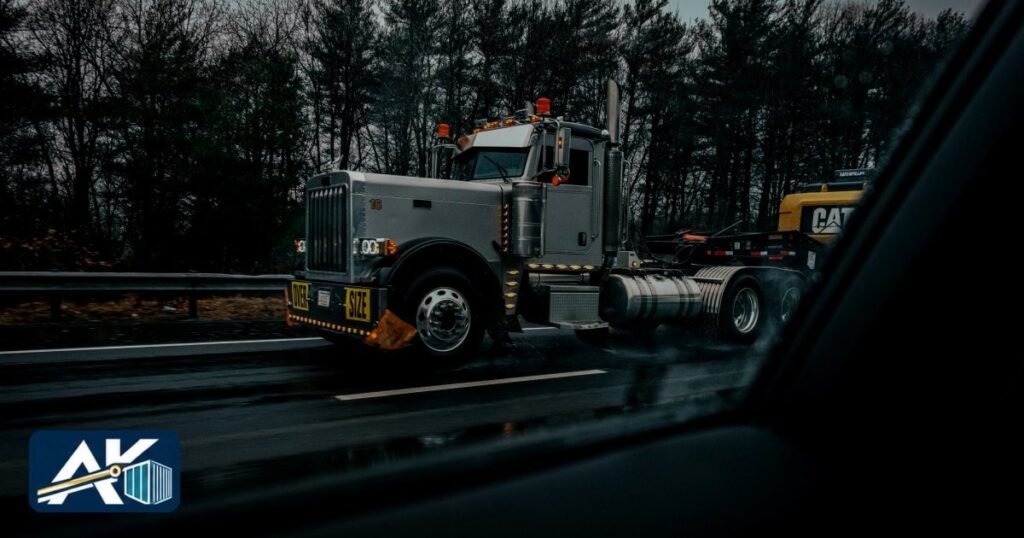
Flat rack containers are a versatile solution for transporting cargo that exceeds the dimensions or weight limits of standard containers. Their open‑frame design enables the carriage of heavy machinery, large‑scale construction components and other oversized items with efficiency and safety.
Understanding Flat Rack Containers and Their Advantages
Unlike conventional dry containers, flat rack containers feature collapsible sidewalls and a sturdy base deck, creating an unobstructed platform that can accommodate loads up to 30 tonnes, depending on the chassis and container specifications. This open structure allows for the loading of items that are taller than the internal height of a standard 40‑foot box, as well as cargo with irregular shapes that would otherwise require specialised transport.
The primary advantages include:
- Maximum loading height: Cargo can be stacked above the deck, utilising the full vertical space.
- Ease of handling: Forklifts, cranes and reach stackers can access the load from any side, reducing handling time.
- Flexibility: The container can be folded flat when empty, simplifying storage and return logistics.
- Cost‑effectiveness: By consolidating oversized shipments into a single unit, shippers often avoid the premium rates associated with break‑bulk freight.
These benefits make flat rack containers an essential asset for businesses that regularly move heavy or unusually sized goods across global supply chains.
Key Industries That Benefit from Flat Rack Container Uses
Several sectors rely on flat rack containers to move their core products efficiently. The table below outlines the main industries, typical cargo types and the specific advantages they gain from using flat racks.
| Industry | Typical Cargo | Flat Rack Benefit |
|---|---|---|
| Construction | Steel beams, prefabricated modules | High loading height and secure lashing points |
| Machinery & Equipment | Excavators, turbines, generators | Ability to handle heavy weights and irregular shapes |
| Aerospace | Aircraft components, fuselage sections | Protection from crushing forces and easy loading |
| Energy | Wind‑turbine blades, solar panel frames | Extended deck length accommodates long spans |
| Marine | Boat hulls, deck machinery | Open design permits over‑deck transport |
By matching the container’s characteristics to the cargo’s requirements, these industries achieve reduced transit times, lower handling costs and improved cargo integrity.
Preparing Heavy and Oversized Cargo for Flat Rack Shipping
Proper preparation is crucial to ensure that heavy or oversized items are safely accommodated on a flat rack. Begin by measuring the cargo’s length, width, height and weight, then compare these dimensions with the container’s deck capacity—typically 40 ft (12.2 m) in length and 8 ft (2.44 m) in width. Verify that the combined weight does not exceed the chassis rating.
Next, protect the cargo surface with timber sleepers, steel plates or specialised padding to prevent damage from direct contact with the deck. For items with protruding parts, such as crane booms or turbine blades, use custom‑fabricated cradles or brackets to distribute loads evenly.
Finally, create a loading plan that sequences the heaviest components at the centre of the deck, with lighter items positioned towards the ends. This balanced distribution helps maintain the centre of gravity and reduces stress on the container’s frame during handling and transit.
Loading and Securing Techniques for Safe Transport
When loading a flat rack, the use of appropriate lifting equipment is essential. Overhead cranes or mobile gantry cranes should engage the cargo at designated lifting points, avoiding any structural weak spots. Once positioned on the deck, the load must be immobilised using a combination of lashing methods.
- Twist‑locks: Secure the container to the chassis and prevent lateral movement.
- Ratchet straps: Apply multiple straps in a cross‑pattern, tightening them to a firm tension without over‑compressing the cargo.
- Edge protectors: Place steel or timber protectors where straps contact the load to avoid gouging.
- Blocking and bracing: Use wooden blocks or metal braces to fill gaps and restrict shifting during vibration.
After all restraints are in place, conduct a visual inspection to confirm that no strap is loose and that the cargo sits evenly on the deck. Document the lashing configuration as part of the shipping paperwork; this record assists customs officials and the receiving party in verifying that the cargo was handled according to best‑practice standards.
When to Choose Flat Rack Conversions Over Standard Units
Flat rack containers excel when the cargo cannot be accommodated within the four walls and roof of a conventional box. Heavy machinery, wind‑turbine blades, large‑diameter pipework, and pre‑assembled steel structures are typical examples where the open‑frame design provides the necessary clearance. If the load exceeds the internal dimensions of a 40‑foot high‑cube box (approximately 2.35 m wide, 2.69 m high and 12.03 m long) or requires loading from the top and sides simultaneously, a flat rack conversion becomes the logical choice.
Another decisive factor is the need for specialised securing methods. Flat racks are fitted with robust lashing points, turnbuckles and, in many cases, collapsible side frames that can be removed to create a completely open platform. This flexibility allows for the use of custom cradles, chains or steel straps that would be impractical inside a closed container.
When the cargo is sensitive to moisture but does not need a sealed environment, a flat rack can be covered with a tarpaulin or shrink‑wrap, offering protection while retaining easy access for inspection and maintenance. In short, opt for a flat rack conversion whenever the dimensions, shape or handling requirements of the load exceed what a standard container can safely contain.
Cost and Efficiency Considerations in Flat Rack Logistics
While flat rack containers generally carry a higher base rate than standard dry containers, the overall cost profile can be favourable when the alternative is a specialised break‑bulk shipment. The primary cost drivers are the conversion fee, which covers the removal of side walls and the installation of reinforced frames, and the handling surcharge for the open‑deck configuration.
Efficiency gains stem from reduced loading time. Because the cargo can be positioned directly on the rack, forklift operators or crane crews avoid the need to manoeuvre items through narrow doorways. This often translates into a shorter dwell time at ports and terminals, lowering demurrage and storage expenses.
- Assess the dimensional limits of your cargo against standard container specs.
- Calculate the conversion fee versus potential demurrage savings.
- Factor in any additional securing equipment required.
- Consider the impact on vessel stowage plans – flat racks occupy more deck space but may enable better weight distribution.
By weighing these elements, shippers can determine whether the incremental freight cost is offset by the operational efficiencies and reduced risk of damage.
Verdict: Choosing the Right Flat Rack Solution for Your Cargo
The decision to employ a flat rack container should be guided by three core criteria: cargo geometry, handling requirements and total landed cost. If the load is oversized, irregularly shaped or demands a high degree of lashing flexibility, a flat rack conversion offers the most practical and secure solution. Conversely, for goods that fit comfortably within the internal envelope of a standard box, the added expense of a flat rack is rarely justified.
From a logistics perspective, the open‑deck design can streamline loading and unloading, particularly when heavy lifting equipment is available at the origin and destination. This can lead to measurable time savings and lower ancillary charges such as terminal handling fees. However, the trade‑off is a greater exposure to weather and the need for robust external protection.
In summary, select a flat rack when the cargo’s dimensions or weight distribution exceed the limits of a conventional container and when the operational benefits—faster handling, reduced risk of damage, and potential cost offsets—outweigh the higher freight rate. For all other shipments, standard containers remain the most economical and efficient choice.
Frequently Asked Questions
What types of cargo are best suited for flat rack containers?
Flat rack containers excel with heavy machinery, construction equipment, timber, and any cargo that exceeds the dimensions of standard containers or requires side loading.
How do I secure oversized items inside a flat rack container?
Use a combination of twist‑locks, lashing straps and wooden blocking to immobilise the load, ensuring the weight is evenly distributed across the frame.
Can flat rack containers be converted for specific cargo needs?
Yes, they can be fitted with reinforced decking, additional tie‑down points or custom brackets to accommodate unique dimensions or weight requirements.
What are the main cost factors when choosing a flat rack container?
Costs are influenced by the container’s size, any required conversions, handling equipment, and the distance of the shipment, with longer hauls typically offering better economies of scale.
Is special documentation needed for shipping heavy cargo on flat racks?
Standard shipping documents apply, but you may need to declare the cargo’s weight and dimensions and provide any required permits for oversized loads at the origin or destination.
← All container insights