
Insights
What are the Costs and Procedures for Converting a Standard Container into a Refrigerated Unit in Saudi Arabia?
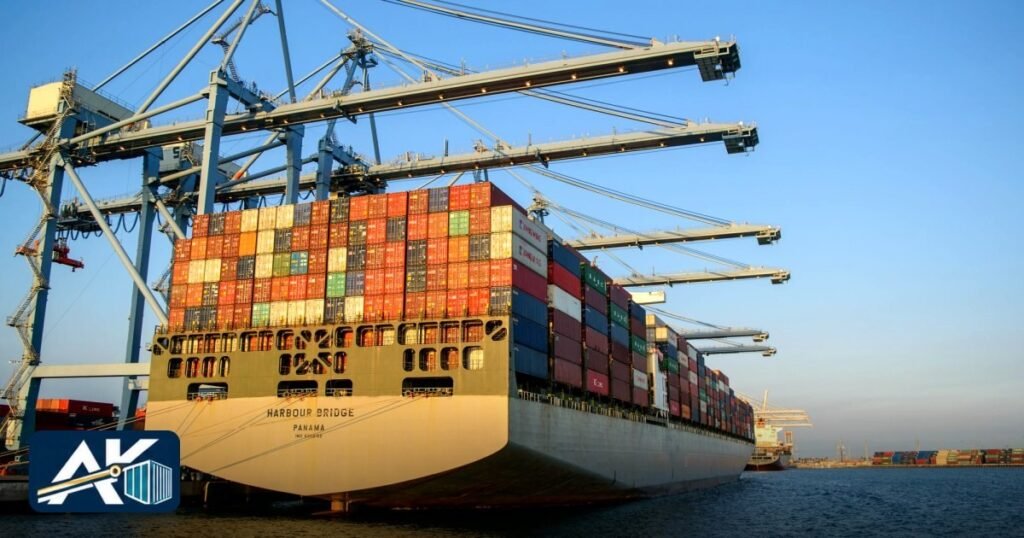
Refrigerated containers, or reefers, are essential for preserving temperature‑sensitive cargo across Saudi Arabia’s diverse climate zones. Converting an existing dry‑box into a functional reef‑unit can be more economical than purchasing a new container, provided the process follows local regulations and industry best practice.
Understanding the Need for Refrigerated Containers in Saudi Arabia
The Kingdom’s strategic location links the Gulf, the Red Sea and the wider Middle‑East, making it a hub for foodstuffs, pharmaceuticals and high‑value agricultural products. Seasonal temperature swings—scorching summers exceeding 45 °C and cooler winter nights—create a clear demand for reliable cold‑chain solutions. Businesses that import perishable goods, such as fresh fruit from the Mediterranean or vaccines for healthcare facilities, rely on reefers to maintain product integrity from port to inland distribution points.
Beyond climate, Saudi Arabia’s Vision 2030 emphasises food security and domestic processing, encouraging local producers to adopt cold‑storage logistics. This policy environment drives a steady increase in the utilisation of refrigerated containers for both export and intra‑regional trade. Companies that can offer flexible, cost‑effective conversion services therefore gain a competitive edge in a market where demand for temperature‑controlled transport is projected to grow.
Choosing conversion over new purchase also aligns with sustainability goals. Repurposing a service‑life‑extended dry container reduces material waste and carbon footprint, while still delivering the performance required for modern supply‑chain operations.
Regulatory Landscape and Approvals Required
Any conversion work must comply with Saudi Arabian Standards Organisation (SASO) specifications for refrigerated transport. SASO outlines requirements for insulation thickness, refrigerant type, electrical safety and performance testing. Before a converted unit can be deployed, it must obtain a Certificate of Conformity (CoC) issued by an accredited testing laboratory.
Key regulatory steps include:
- Submission of a detailed conversion plan to the Ministry of Transport, highlighting the intended use, container identification number and proposed refrigerant system.
- Engagement with a SASO‑approved inspection body to verify that the insulation material meets fire‑resistance standards and that the refrigeration unit complies with the Gulf Cooperation Council (GCC) environmental regulations.
- Completion of a performance test, typically a temperature‑hold trial lasting 24 hours, to demonstrate that the unit can maintain the required temperature range under Saudi ambient conditions.
- Issuance of the CoC, which must be displayed on the container’s exterior plate and retained in the operator’s documentation.
Failure to secure the appropriate approvals can result in detention at ports, fines or the inability to obtain insurance coverage for the cargo.
Choosing the Right Base Container for Conversion
Not every dry container is suitable for conversion. The most reliable candidates are ISO‑standard 20‑foot or 40‑foot containers that are in good structural condition, with no significant dents, rust or compromised corner castings. Containers that have previously been used for hazardous cargo should be avoided unless they have undergone thorough de‑contamination and certification.
When selecting a base unit, consider the following criteria:
| Criterion | What to Look For |
|---|---|
| Structural Integrity | Flat walls, intact frames, no major corrosion. |
| Age | Prefer containers less than ten years old to ensure remaining service life. |
| Previous Use | Dry‑goods or general cargo history; avoid chemical or oil residues. |
| Size Compatibility | Match the intended cargo volume – 20‑foot for smaller loads, 40‑foot for bulk shipments. |
| Certification Status | Existing ISO‑9001 or similar quality management certificates simplify the approval process. |
Choosing a well‑maintained container reduces the risk of unexpected repairs during conversion and helps keep the overall project timeline on track.
Key Steps in the Conversion Process
The conversion journey can be broken down into six distinct phases, each requiring careful coordination between AK Container Logistics, specialised conversion workshops and regulatory bodies.
- Pre‑conversion inspection: A qualified engineer assesses the container’s frame, doors and flooring, documenting any remedial work needed before insulation can be applied.
- Insulation installation: High‑performance polyurethane panels are fitted to the interior walls, ceiling and floor. The thickness is chosen to meet SASO thermal‑resistance standards.
- Refrigeration unit mounting: A split‑type or self‑contained refrigeration system is secured, with attention to vibration isolation and proper sealing of penetrations.
- Electrical wiring and controls: Wiring complies with Saudi Arabian Electrical Code, incorporating a dedicated circuit breaker, temperature sensors and a user‑friendly control panel.
- Testing and commissioning: The unit undergoes a leak test, refrigerant charge verification and a temperature‑stability trial that simulates Saudi summer conditions.
- Documentation and certification: All test results, material certificates and installation records are compiled for submission to the SASO‑approved lab, culminating in the issuance of the Certificate of Conformity.
Throughout the process, AK Container Logistics provides project management oversight, ensuring that each step aligns with the client’s schedule and budget while adhering to the stringent quality expectations of the Saudi market.
Cost Components of a Container Refrigeration Conversion
When a business decides to transform a 20‑foot or 40‑foot dry container into a refrigerated unit, the total outlay can be broken down into several distinct components. The first and most visible expense is the refrigeration plant itself – a self‑contained unit that includes a compressor, evaporator, condenser and control panel. Prices vary according to capacity, energy efficiency rating and whether the system is designed for low‑temperature (‑20 °C) or moderate (10‑15 °C) applications.
Secondly, the container’s interior must be prepared. This typically involves installing insulated paneling, sealing all joints and fitting a vapor barrier to prevent condensation. The thickness and type of insulation (polyurethane foam, PIR board or vacuum‑insulated panels) directly affect both cost and thermal performance.
Third, ancillary services such as electrical wiring, power distribution units and remote monitoring equipment add to the bill. In Saudi Arabia, compliance with local electrical standards and the requirement for a dedicated grounding system are non‑negotiable.
Finally, labour, transportation and project management fees round off the estimate. Skilled technicians are needed for both the mechanical installation and the certification process, and their rates reflect the specialised nature of the work.
While exact numbers depend on the specific configuration, businesses should anticipate a layered cost structure that mirrors the technical complexity of the conversion.
Selecting a Qualified Conversion Partner
Choosing the right partner is pivotal to ensuring a reliable, compliant refrigerated container. The first step is to verify that the provider holds the necessary Saudi Arabian certifications for refrigeration and container modifications, such as the Saudi Standards, Metrology and Quality Organisation (SASO) approval.
Next, assess the partner’s track record. Request case studies or references from previous projects that demonstrate experience with the same container size and temperature range you require. A proven history of successful installations reduces the risk of delays and costly re‑work.
Technical competence is another key factor. The conversion specialist should be able to explain the insulation methodology, refrigerant choice and control system architecture in clear, non‑technical terms. This transparency helps you understand the long‑term operating costs and maintenance schedule.
- Confirm SASO and any relevant municipal permits are obtainable.
- Check that the team includes certified refrigeration engineers and certified welders.
- Ensure the provider offers a warranty covering both the plant and the container build‑out.
- Ask for a detailed project timeline, including delivery, installation and commissioning phases.
- Verify that after‑sales support includes routine servicing and emergency response.
By applying this checklist, Saudi businesses can select a conversion partner who delivers quality, compliance and ongoing reliability.
Verdict: Practical Guidance for Saudi Arabian Businesses
For companies operating in the Kingdom, converting a standard container into a refrigerated unit offers a flexible solution for cold‑chain logistics without the capital outlay of a purpose‑built reefer. The process, however, demands careful budgeting and a disciplined selection of a conversion partner.
Begin by mapping your temperature requirements and cargo volumes; this will dictate the size of the refrigeration plant and the level of insulation needed. Allocate budget across the core components – plant, insulation, electrical work and professional services – and remember that higher efficiency equipment can lower electricity costs over the container’s lifespan.
When vetting potential converters, prioritise those with recognised Saudi certifications, demonstrable experience and a transparent warranty structure. Use the checklist provided to confirm that all regulatory, technical and support criteria are met before signing a contract.
Finally, incorporate a maintenance plan from the outset. Regular servicing of the refrigerant system, inspection of insulation integrity and calibration of temperature controls are essential to avoid downtime and preserve product quality.
By following these steps, Saudi Arabian businesses can achieve a cost‑effective, compliant refrigerated container conversion that supports their supply‑chain objectives and delivers reliable performance for years to come.
Frequently Asked Questions
Do I need a special licence to convert a container into a refrigerated unit in Saudi Arabia?
Yes, conversion work must comply with Saudi Arabian standards for refrigerated equipment, and you will need approval from the relevant municipal or industrial authority before the unit can be used commercially.
What type of base container is best for a refrigeration conversion?
A dry‑storage container in good structural condition, typically a 20‑foot or 40‑foot ISO standard box, is preferred as it provides a solid framework for insulation and refrigeration components.
How long does a typical conversion take?
The timeline varies, but most projects are completed within two to four weeks, depending on the complexity of the insulation, refrigeration system and testing requirements.
Are there any environmental regulations I should be aware of?
Yes, the installation must meet Saudi environmental guidelines for refrigerant handling and energy efficiency, including proper disposal of any waste materials generated during the conversion.
Can I customise the temperature range of the refrigerated container?
Absolutely; most conversion providers offer adjustable temperature settings to suit different cargo needs, from chilled to deep‑freeze, as long as the chosen refrigeration unit supports the required range.
← All container insights