
Insights
Dry Container vs Reefer Container: Key Differences and When to Use Each
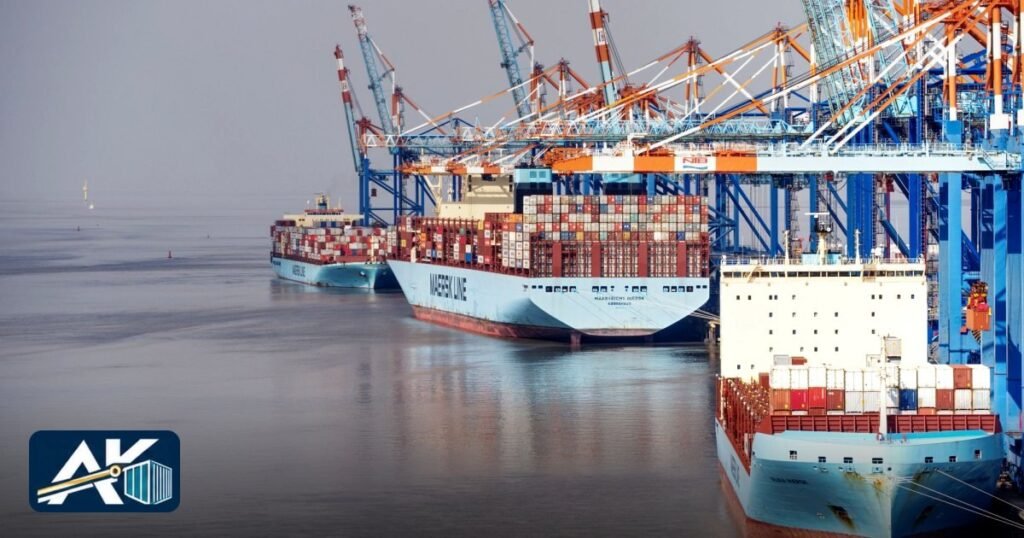
Choosing the right type of shipping container is fundamental to protecting cargo, optimising costs and ensuring smooth logistics. While both dry and refrigerated (reefer) containers share a common purpose—securely moving goods across the globe—their design, functionality and ideal applications differ markedly. Understanding these distinctions helps businesses decide when a dry container or a reefer container is the most appropriate solution.
Understanding Dry Containers
Dry containers, often referred to as standard or general‑purpose containers, are the workhorse of international freight. Constructed from robust steel frames with corrugated walls, they provide a sealed, weather‑proof environment that safeguards cargo from rain, dust and wind. Their interior is typically left untreated, making them suitable for a wide range of non‑perishable goods such as electronics, textiles, machinery, and packaged foods that do not require temperature regulation.
Ventilation is minimal; most dry containers feature a few small louvered vents to equalise pressure during loading and unloading, but these do not affect internal temperature significantly. The standard dimensions—20‑foot and 40‑foot lengths with internal heights of approximately 2.39 m—offer predictable volume calculations, facilitating efficient space planning and stacking on ships, trains and trucks.
Because they lack built‑in cooling systems, dry containers are lighter and more fuel‑efficient to transport, translating into lower freight charges. They are also the most cost‑effective option for bulk shipments where temperature control is unnecessary, making them the default choice for the majority of global trade.
Understanding Reefer Containers
Reefer containers, short for refrigerated containers, are engineered to maintain precise temperature ranges, typically from -30 °C to +30 °C, depending on the unit’s specifications. They incorporate insulated walls, a vapor‑barrier lining and a powered refrigeration unit powered by the vessel’s electrical supply or an external generator when on land. This active climate control enables the safe transport of perishable commodities such as fresh produce, meat, dairy, pharmaceuticals and certain chemicals.
The interior of a reefer is lined with a hygienic, food‑grade coating that prevents condensation and microbial growth, crucial for maintaining product integrity. Temperature settings can be monitored remotely via telematics, allowing shippers to receive real‑time alerts if the unit deviates from the required range. This visibility is especially valuable for high‑value or time‑sensitive cargo.
Reefer containers are heavier due to insulation and the refrigeration unit, which can increase handling costs and fuel consumption. However, the ability to preserve cargo quality over long distances often outweighs these additional expenses, particularly for supply chains that rely on just‑in‑time delivery of temperature‑sensitive goods.
Core Structural Differences
| Feature | Dry Container | Reefer Container |
|---|---|---|
| Wall Construction | Steel with corrugated panels, no insulation | Steel with insulated panels and vapor‑barrier lining |
| Ventilation | Small passive vents | Sealed; temperature controlled by refrigeration unit |
| Weight (empty) | Approximately 2,200 kg (20‑ft) | Approximately 2,800 kg (20‑ft) |
| Power Requirement | None | Electrical hookup (30 A) or generator |
| Typical Use Cases | Non‑perishable goods, machinery, textiles | Perishables, pharmaceuticals, temperature‑sensitive chemicals |
The structural distinctions directly influence handling, cost and operational considerations. Dry containers, lacking insulation and refrigeration equipment, are lighter and can be stacked higher on vessels, improving cargo density. Their simple design also means fewer maintenance points and lower risk of mechanical failure during transit.
Reefer containers, by contrast, require a continuous power source and regular servicing of the refrigeration unit to ensure reliability. The added insulation not only preserves temperature but also contributes to a higher tare weight, which can affect payload calculations. Operators must plan for specialised plug‑in points at ports and terminals, and allocate extra time for pre‑cooling or pre‑heating the unit before loading.
Temperature Control and Cargo Suitability
Temperature control is the defining factor when selecting between a dry container and a reefer container. Dry containers maintain ambient conditions; they are ideal when cargo is tolerant of external temperature fluctuations, such as steel products, furniture or packaged foods with long shelf lives. In temperate climates, a dry container can safely transport these items without additional climate management.
Reefer containers, however, provide a controlled environment essential for preserving the quality and safety of perishable goods. For fresh fruit, vegetables, seafood, meat and dairy, maintaining a consistent cold chain prevents spoilage, microbial growth and loss of nutritional value. Similarly, many pharmaceutical products require strict temperature ranges to retain efficacy, making a reefer the only viable option.
When cargo has moderate sensitivity—such as certain chemicals that must avoid extreme heat but do not need active cooling—some shippers opt for a ventilated dry container with supplemental insulation, though this is less common than using a dedicated reefer. Ultimately, the decision hinges on the cargo’s temperature tolerance, the length of the journey, and the cost implications of temperature management versus the risk of product degradation.
Cost Implications and Operational Considerations
When comparing a dry container with a reefer container, the most immediate difference is the capital outlay. A standard dry container is typically priced at a lower base cost because it lacks the built‑in refrigeration plant, insulation and control electronics. By contrast, a reefer container incorporates a powered unit that must be maintained, calibrated and, in many cases, serviced annually. This additional equipment translates into a higher purchase price and, more noticeably, a greater operating expense.
Operating costs for reefers are driven primarily by energy consumption. Whether the unit is powered by diesel generators, shore electricity or a hybrid system, the fuel or electricity bill can add a substantial margin to the freight charge, especially on long hauls or when the cargo requires a constant temperature throughout the journey. Dry containers, by contrast, incur only the standard handling and stowage fees, with no extra energy cost.
From a logistical perspective, reefers also demand more careful planning. They must be pre‑cooled before loading, monitored throughout transit, and often require a dedicated slot on vessels equipped with power connections. Dry containers can be loaded and sealed quickly, making them the preferred choice for high‑volume, low‑value goods where temperature control is unnecessary.
In summary, the decision hinges on the value of the cargo, the length of the supply chain and the willingness to absorb the higher upfront and ongoing costs associated with temperature‑controlled transport.
Regulatory and Compliance Factors
Both dry and reefer containers are subject to international standards, but the regulatory landscape diverges where temperature control is concerned. Dry containers must simply meet the International Convention for Safe Containers (CSC) requirements, which focus on structural integrity, weight limits and safety markings. Compliance is verified through a periodic CSC plate inspection and is largely uniform across jurisdictions.
Reefer containers, however, fall under additional layers of regulation. The refrigeration unit itself must comply with the International Maritime Organisation’s (IMO) guidelines for hazardous equipment, including certification of the power source, refrigerant type and noise emissions. Many countries also impose specific phytosanitary or food‑safety standards that dictate temperature ranges, monitoring frequency and record‑keeping for perishable goods.
Customs authorities frequently request temperature logs for reefers to confirm that the cargo has remained within the stipulated range. Failure to provide accurate data can result in delays, fines or even the rejection of the shipment. In contrast, dry containers rarely trigger such documentation requirements unless the cargo is subject to its own set of regulations (e.g., hazardous chemicals).
Businesses should therefore incorporate compliance checks into their planning process, ensuring that the chosen container type aligns with the legal obligations of both the origin and destination ports.
Verdict: Selecting the Right Container for Your Shipment
Choosing between a dry container and a reefer container ultimately depends on a balance of product characteristics, supply‑chain dynamics and cost tolerance. Below is a quick checklist to guide the decision‑making process:
- Is the cargo temperature‑sensitive (e.g., fresh produce, pharmaceuticals, meat)?
- Will the shipment involve long transit times or multiple handling points?
- Do destination ports provide reliable power connections for reefers?
- Are there specific regulatory temperature logs required for the commodity?
- Is the added expense of refrigeration justified by the cargo’s value?
If the answer to most of these questions is “yes,” a reefer container is the prudent choice, offering the controlled environment needed to preserve quality and meet compliance. Conversely, if the goods are non‑perishable, robust to ambient conditions and the primary aim is cost efficiency, a dry container will typically deliver the best return on investment.
AK Container Logistics can advise on the optimal configuration, ensuring that the selected container aligns with both operational requirements and regulatory expectations, thereby safeguarding the cargo and the bottom line.
Frequently Asked Questions
What is the main difference between a dry container and a reefer container?
A dry container is an uninsulated, non‑temperature‑controlled box, while a reefer container is insulated and equipped with a built‑in refrigeration unit to maintain specific temperatures.
Can I transport perishable goods in a dry container?
Perishable items that require cooling, such as fresh produce or pharmaceuticals, should not be shipped in a dry container as they risk spoilage without temperature control.
Are reefer containers more expensive to operate than dry containers?
Yes, reefer containers typically incur higher rental rates and additional energy costs for refrigeration, but the expense is justified for temperature‑sensitive cargo.
Do I need special permits to use a reefer container?
Generally, no extra permits are required beyond standard cargo documentation, but you must comply with any destination country’s regulations on refrigerated goods.
How does container choice affect shipping time and handling?
Both container types are handled similarly in ports, but reefer containers may require connection to power sources for temperature control, which can add brief logistical steps.
← All container insights