
Insights
Reefer Container How It Works: A Complete Guide
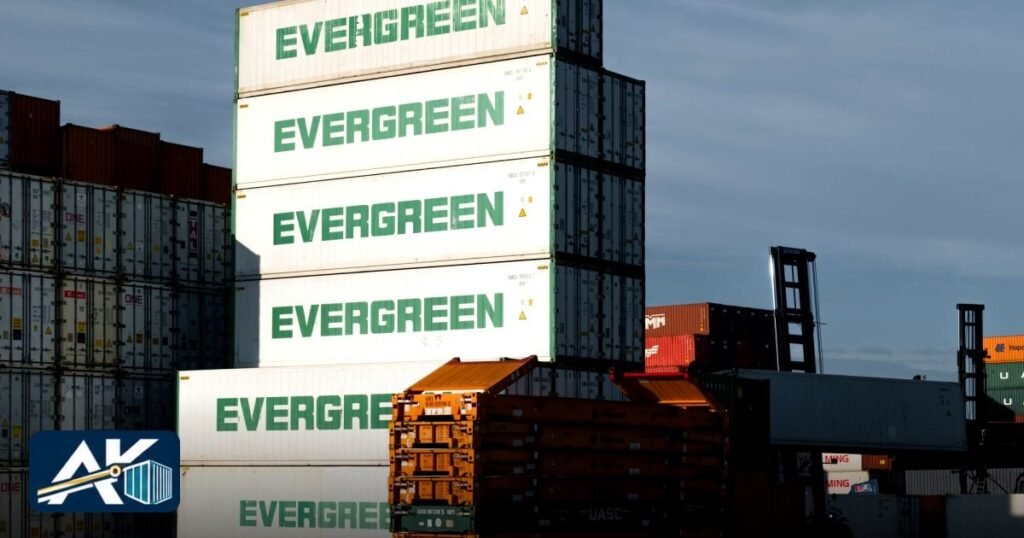
Refrigerated containers, commonly known as reefers, are essential assets in the global supply chain for temperature‑sensitive cargo. Understanding how a reefer container works helps shippers, freight forwarders and logistics managers maintain product integrity from origin to destination.
What Is a Reefer Container?
A reefer container is a standard intermodal steel box equipped with an integrated refrigeration unit that can maintain a controlled temperature range, typically from -30 °C to +30 °C. Unlike dry containers, reefers are sealed to prevent air exchange, and their walls are insulated with high‑density foam to minimise thermal loss. The unit is mounted on the container’s roof or side, allowing the container to be handled on ships, trains and trucks without special equipment.
Reefers are classified by their temperature capabilities: “cold‑chain” units for perishable foods, pharmaceuticals and chemicals, and “freeze‑chain” units for products that must stay frozen. The container’s dimensions remain the same as a 20‑foot or 40‑foot dry container, ensuring compatibility with existing handling infrastructure.
Because the refrigeration system is self‑contained, the container can be plugged into external power sources or operate on onboard generators, providing flexibility across multimodal routes. This autonomy makes reefers a reliable solution for long‑haul ocean voyages as well as short‑haul road transport.
Core Components of a Refrigerated Container
The refrigeration system comprises several key elements that work together to achieve precise temperature control:
- Compressor: Drives the refrigerant through the cycle, raising its pressure and temperature.
- Evaporator Coils: Located inside the cargo space, they absorb heat from the goods, causing the refrigerant to evaporate and cool the interior.
- Condenser: Situated on the exterior of the container, it releases absorbed heat to the ambient air.
- Expansion Valve: Regulates the flow of refrigerant, allowing it to expand and drop in temperature before entering the evaporator.
- Thermostatic Control Unit (TCU): Monitors internal temperature and adjusts compressor operation to maintain the set point.
- Insulation Panels: High‑density polyurethane foam panels line the walls, floor and ceiling, reducing thermal ingress.
These components are housed within a compact, weather‑proof envelope that can withstand the rigours of sea travel, including vibration, salt spray and temperature extremes.
How the Cooling Cycle Functions
The refrigeration cycle in a reefer container follows the classic vapor‑compression principle, adapted for a mobile environment. The process begins when the compressor draws low‑pressure refrigerant vapor from the evaporator and compresses it, raising its temperature and pressure. This high‑temperature gas then flows to the condenser, where ambient air—forced over the condenser fins by a fan—cools the gas, causing it to condense into a high‑pressure liquid.
Next, the liquid refrigerant passes through the expansion valve, which reduces its pressure sharply. The resulting low‑pressure mixture enters the evaporator coils inside the cargo compartment. As the refrigerant evaporates, it absorbs heat from the surrounding air, lowering the internal temperature to the desired set point. The TCU continuously monitors the temperature and cycles the compressor on or off to maintain stability.
| Stage | Location | Function |
|---|---|---|
| Compression | Compressor (roof) | Raises refrigerant pressure and temperature |
| Condensation | Condenser (exterior) | Releases heat to ambient air, turning gas into liquid |
| Expansion | Expansion valve (internal) | Drops pressure, preparing refrigerant for evaporation |
| Evaporation | Evaporator coils (cargo space) | Absorbs heat, cooling the container interior |
The cycle repeats continuously, ensuring that temperature fluctuations remain within tight tolerances, which is vital for preserving the quality of perishable goods.
Power Sources and Energy Management
Reefer containers require a reliable power supply to operate the compressor, fans and control electronics. The most common sources are:
- External Shore Power: When docked at a port or warehouse, containers can be plugged into a three‑phase 380‑V supply, delivering up to 7 kW of continuous power.
- On‑Board Generators: Ships and some rail cars provide dedicated generator sets that feed electricity to the reefers during transit.
- Battery Packs: Modern reefers may incorporate lithium‑ion batteries that store energy for short periods, useful during loading/unloading when external power is unavailable.
Energy management is overseen by the TCU, which optimises compressor run‑time to reduce power consumption while maintaining temperature. Many units feature a “low‑power” mode that cycles the compressor less frequently when ambient conditions are favourable. Additionally, remote monitoring systems allow operators to track power usage, temperature trends and fault alerts in real time, enabling proactive adjustments and minimising the risk of spoilage.
Temperature Monitoring and Control Systems
Reefer containers rely on an integrated climate‑control unit that combines a refrigeration compressor, evaporator, and a sophisticated electronic controller. The controller continuously reads data from temperature sensors placed at strategic points inside the cargo space, typically at the floor, centre and ceiling. When the measured temperature deviates from the set point, the controller adjusts the compressor speed or activates auxiliary heating elements to restore the desired range.
Modern units are equipped with remote telemetry, allowing operators to view real‑time temperature logs via satellite or cellular connections. This data is transmitted to a cloud‑based platform where alerts can be configured for any breach of the temperature band, enabling swift corrective action before product quality is compromised.
Energy efficiency is enhanced through variable‑speed compressors and insulated doors that seal tightly when the container is stationary. Some systems also incorporate humidity sensors, which trigger dehumidifiers or moisture‑absorbing pads to protect moisture‑sensitive goods such as pharmaceuticals or fresh produce.
Key features to look for in a monitoring system include:
- Real‑time temperature and humidity read‑outs
- Automated alarm thresholds (email, SMS, or app notification)
- Historical data storage for compliance audits
- Battery backup to maintain control during power loss
- Integration capability with existing transport‑management software
Maintenance, Inspection, and Compliance
Ensuring a reefer container remains reliable throughout its service life requires a regimented maintenance schedule. Daily checks focus on visual inspection of the door seals, verification that the power supply is stable, and confirmation that the control panel displays the correct set point. Weekly routines include cleaning the condenser coils, testing the battery charge, and inspecting refrigerant lines for leaks.
Every six months, a qualified technician should perform a comprehensive service: refrigerant levels are measured, the compressor oil is replaced if necessary, and the electronic controller firmware is updated to the latest version. This preventative approach reduces the risk of unexpected breakdowns during long hauls.
Compliance with international standards such as the International Maritime Organisation (IMO) and the World Health Organisation (WHO) is mandatory for certain cargoes. Documentation must demonstrate that the container’s temperature logs are retained for the period required by the relevant regulatory body, often a minimum of 12 months. Additionally, containers used for pharmaceutical shipments must meet Good Distribution Practice (GDP) guidelines, which stipulate calibrated sensors and regular validation of the monitoring system.
Operators should keep a logbook—either paper‑based or digital—recording each inspection, service, and any corrective actions taken. This record not only supports regulatory audits but also helps identify recurring issues that may warrant a replacement or upgrade.
Verdict: Choosing the Right Reefer for Your Supply Chain
Selecting the optimal refrigerated container hinges on matching the cargo’s temperature sensitivity, journey duration, and handling requirements with the container’s technical capabilities. For high‑value, temperature‑critical goods such as vaccines, a unit with a narrow temperature band (e.g., 2 °C ± 0.5 °C) and redundant power sources is advisable. For less demanding products like frozen vegetables, a broader range (‑18 °C ± 2 °C) and standard battery backup will usually suffice.
Consider the container’s energy consumption profile, especially if the cargo will spend extended periods in transit without external power. Units equipped with solar‑assisted panels can extend battery life and reduce reliance on shore power, offering cost savings over long routes.
Finally, evaluate the provider’s support infrastructure. Prompt access to spare parts, on‑site technicians, and a robust remote monitoring platform can dramatically reduce downtime. By aligning these factors with your supply‑chain objectives, you can ensure product integrity while maximising operational efficiency.
Frequently Asked Questions
How does a reefer container keep cargo cold during long voyages?
It uses a built‑in refrigeration unit that circulates a refrigerant through a compressor, condenser, and evaporator, removing heat from the cargo space and expelling it outside the container.
Can a reefer container operate without external power?
Yes, most units have battery packs or can be connected to shipboard power, and many are equipped with generator‑compatible plugs for on‑shore use.
What temperature ranges can a refrigerated container maintain?
Standard reefers typically cover –30 °C to +30 °C, with specialised units capable of ultra‑low temperatures for pharmaceuticals.
How often should a reefer container be inspected?
Regular inspections are recommended before each voyage and annually by a certified technician to ensure the cooling system, seals and electrical components are in good condition.
Is it necessary to pre‑cool a reefer container before loading?
Pre‑cooling is advisable to stabilise the internal temperature, reduce temperature shock to the cargo and improve overall energy efficiency.
← All container insights