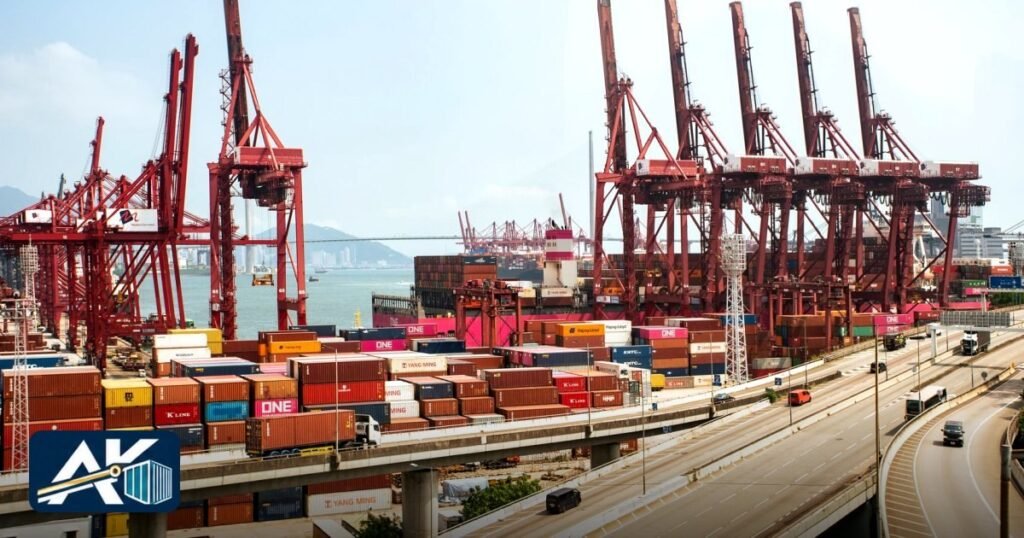

How to Inspect Used Shipping Container Before Buying
Quick answer: To inspect a used shipping container, get the grade in writing, check corner posts and rails for damage, test the doors and gaskets, close yourself inside for a…
Read moreQuick answer: To inspect a used shipping container, get the grade in writing, check corner posts and rails for damage, test the doors and gaskets, close yourself inside for a…
Read moreQuick answer: FCL (full container load) means you book a whole container for your cargo alone; LCL (less than container load) means your goods share a container with other shippers.…
Read moreQuick answer: A CSC plate is the metal approval plate on a shipping container that records its safety approval, maximum gross mass, stacking limits and examination status under the International…
Read moreQuick answer: Incoterms say who arranges transport, pays costs and carries risk between buyer and seller. Under EXW the buyer handles almost everything from the seller’s premises; under FOB the…
Read moreQuick answer: Shipping container conversions turn a steel container into storage, an office, a cabin or a modular unit. Storage needs the least work, offices need insulation and services, and…
Read moreQuick answer: Lease a container when the need is short, seasonal or uncertain; buy when the need is long term or you want to modify, move or resell the unit.…
Read moreQuick answer: The main container types are standard dry (general cargo and storage), high cube (one foot taller, for bulky cargo and conversions), reefer (refrigerated), open top (loaded from above)…
Read moreQuick answer: Cargo-worthy containers are fit for loaded sea transport and normally come with current CSC safety-approval details. Wind and watertight containers keep the weather out and suit static storage,…
Read moreQuick answer: New and one-trip containers are the near-new end of the market: new units have had little or no use and one-trip units have made a single loaded voyage.…
Read moreQuick answer: A 20ft container offers about 33 m³ of internal volume, a standard 40ft about 67 m³ and a 40ft high cube about 76 m³. The high cube is…
Read moreIndicative 2026 price ranges for used 20ft and 40ft shipping containers in India, by type and condition, with the factors that move the price.
Read moreYOUR OPTIONS
PLAN WITH CONFIDENCE
Put quotations on the same basis: size, type, condition, quantity, location and timing. Identify what is included in equipment pricing and what is separate, such as depot handling, transport, lifting or applicable taxes. Confirm the quotation’s validity and availability before placing an order.
For leasing, compare the minimum period, return conditions and transport responsibilities as well as the periodic rate. For conversions, compare a written specification and drawings so differing finishes or services do not hide a difference in scope.
BEFORE YOU ENQUIRE
No. Extra height can be useful for volume, but the intended load, site constraints, transport access and actual equipment specifications determine suitability.
Ask about doors, seals, roof, walls, flooring, corner posts, previous repairs and any odour or contamination concerns. Confirm suitability for the intended use.
TALK TO THE TEAM
Share the essentials and any questions you would like us to review.
info@akcontainers.com